Does Your DSLR’s Viewfinder Give the Full Picture? What to Know

Usually, no. Many DSLR optical viewfinders do not show the entire image that the camera will record. Instead, they show a percentage of the frame, often around 95% to 98% on entry-level and mid-range models. Some higher-end DSLRs offer 100% viewfinder coverage, which means what you see through the viewfinder matches the final photo edge … Read more

Shutter Release: What It Does and How to Use It Better

A shutter release is the camera control that tells the camera to take a photo. On most cameras, it is the main button you press with your finger, usually on the top right near the grip. In beginner use, “shutter release” can also mean a remote trigger that fires the camera without touching it. The … Read more

Digital Photography Questions With a Pro Photographer: Practical Answers for Beginners

If you are looking for digital photography questions with a pro photographer perspective, the fastest answer is this: better photos usually come from understanding a few core decisions, not from owning expensive gear. Most beginners need clear answers on exposure, focus, lenses, light, and how to get consistently sharp, flattering images. Think of this article … Read more

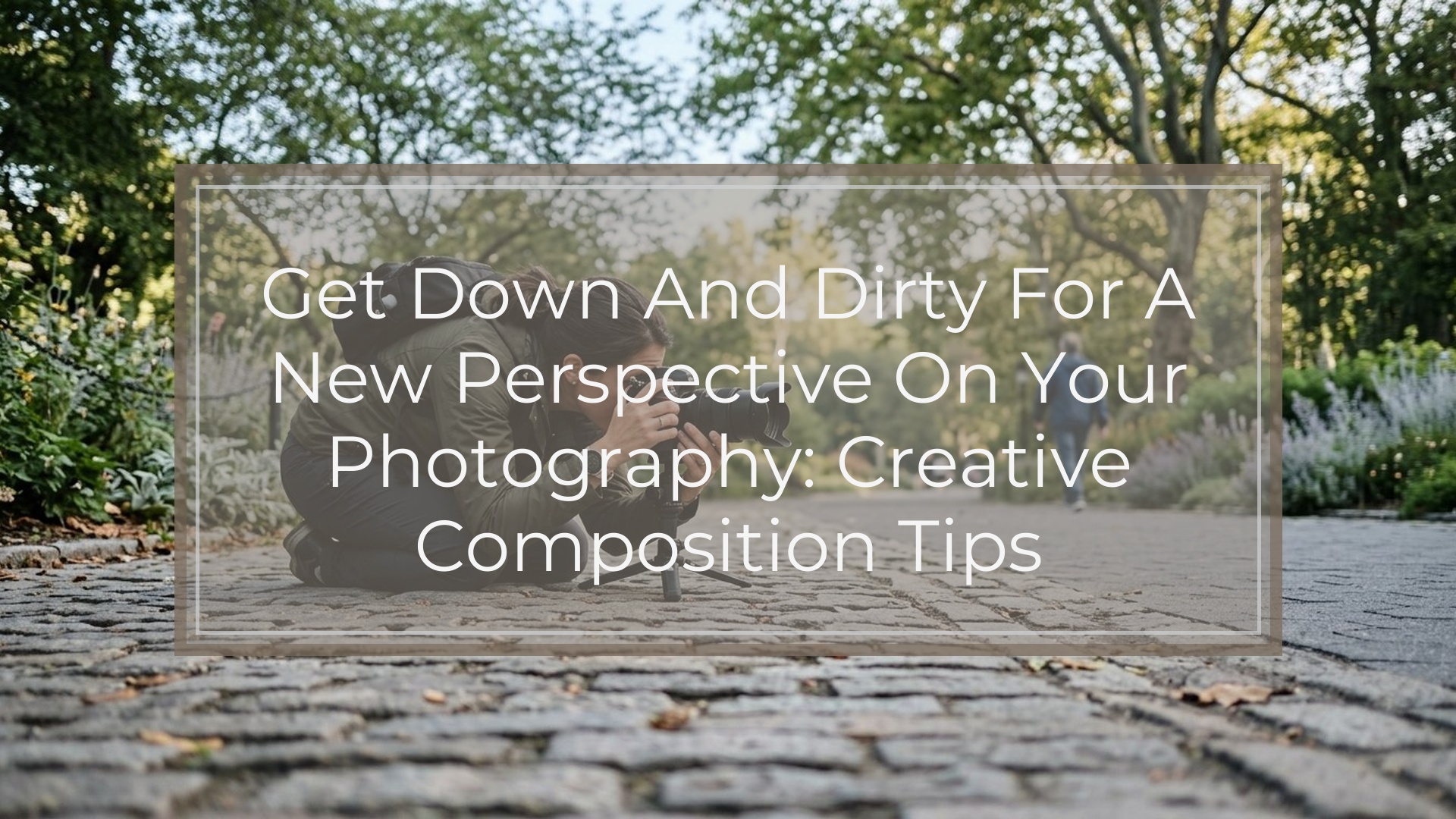
Get Down and Dirty for a New Perspective on Your Photography: Creative Composition Tips

Getting low to the ground is one of the simplest ways to make ordinary photos feel more dramatic, immersive, and intentional. In practice, “get down and dirty” means lowering your camera well below normal eye level so foreground elements grow, lines stretch, and familiar subjects look fresh. It works because perspective changes with camera position, … Read more

Put Your Contact Details in Your Camera: A Simple Setup Guide

Adding your contact details to your camera means saving owner information in the camera’s copyright, author, or IPTC metadata fields. If the camera is lost, found, or serviced, that information can help identify it as yours. It can also attach your name or business details to image files straight from the camera, depending on the … Read more

How to Photograph Buildings: Composition, Light, and Perspective Tips

To photograph buildings well, choose good light, find a strong viewpoint, control vertical lines, compose around shape and structure, and use a tripod when sharpness matters. A wide-angle lens can help, but stronger architecture photos usually come from careful positioning, clean framing, good exposure, and attention to reflections, symmetry, texture, and context. The basic workflow … Read more