
Microstock is one of the most realistic ways for digital photography students to start earning small amounts from images they can produce with basic gear, good technique, and consistent uploading. It is not a shortcut to guaranteed passive income. Instead, think of it as a long-term portfolio business: you create useful, searchable photos, submit them to stock platforms, and earn royalties when buyers license them.
For students, the opportunity is practical because many sellable subjects are already nearby: study spaces, campus life, simple food scenes, home offices, technology setups, hands writing notes, and everyday lifestyle concepts. The challenge is learning what buyers need, meeting technical standards, handling releases correctly, and building a workflow that turns class practice into a growing image library.
Quick Answer
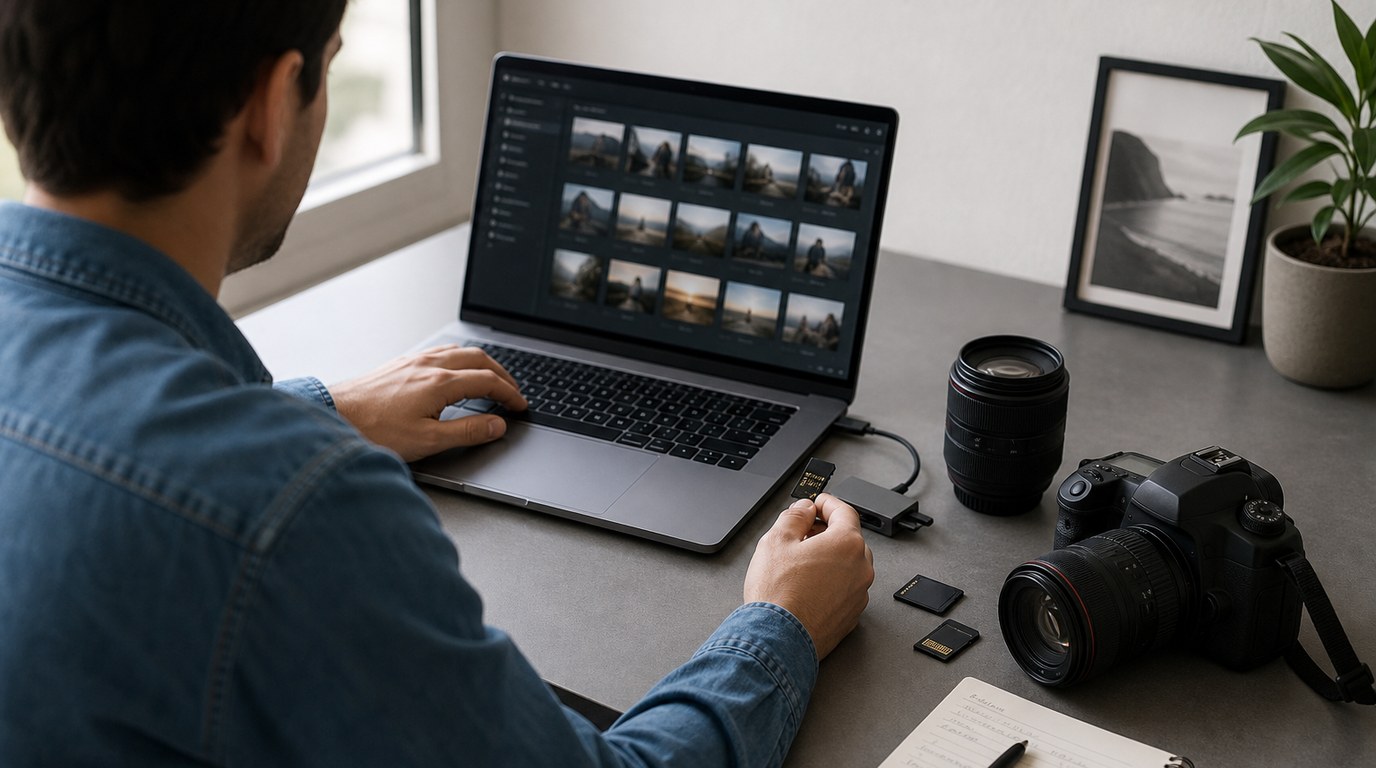
Microstock for digital photography students means uploading photos to stock agencies such as Adobe Stock, Shutterstock, iStock, Dreamstime, or similar marketplaces so businesses, bloggers, designers, and publishers can license them. You usually earn a small royalty per download, so income depends on volume, quality, subject demand, keywording, and consistency.
The main takeaway: microstock can help students make money from photography, but it works best as a learning-and-earning system, not as fast income. A small portfolio may earn little or nothing at first. A larger, well-keyworded portfolio focused on useful subjects has a better chance of steady sales over time.
Good beginner subjects include:
- Desk setups with notebooks, laptops, and coffee
- Students studying, typing, or collaborating
- Food and drink scenes shot in natural light
- Generic lifestyle images with friends who sign model releases
- Local street details without visible trademarks
- Simple business, education, wellness, and technology concepts
To succeed, your photos need to be sharp, properly exposed, cleanly edited, and commercially usable. Avoid visible logos, copyrighted artwork, private property issues, and recognizable people unless you have the right release.
A good student workflow is simple: shoot with a concept in mind, edit cleanly, export at high quality, add accurate titles and keywords, submit regularly, track what sells, then create more images around proven themes. The money may be modest, but the process teaches valuable skills: lighting, composition, editing discipline, commercial thinking, and portfolio building.
How to Think About This Topic
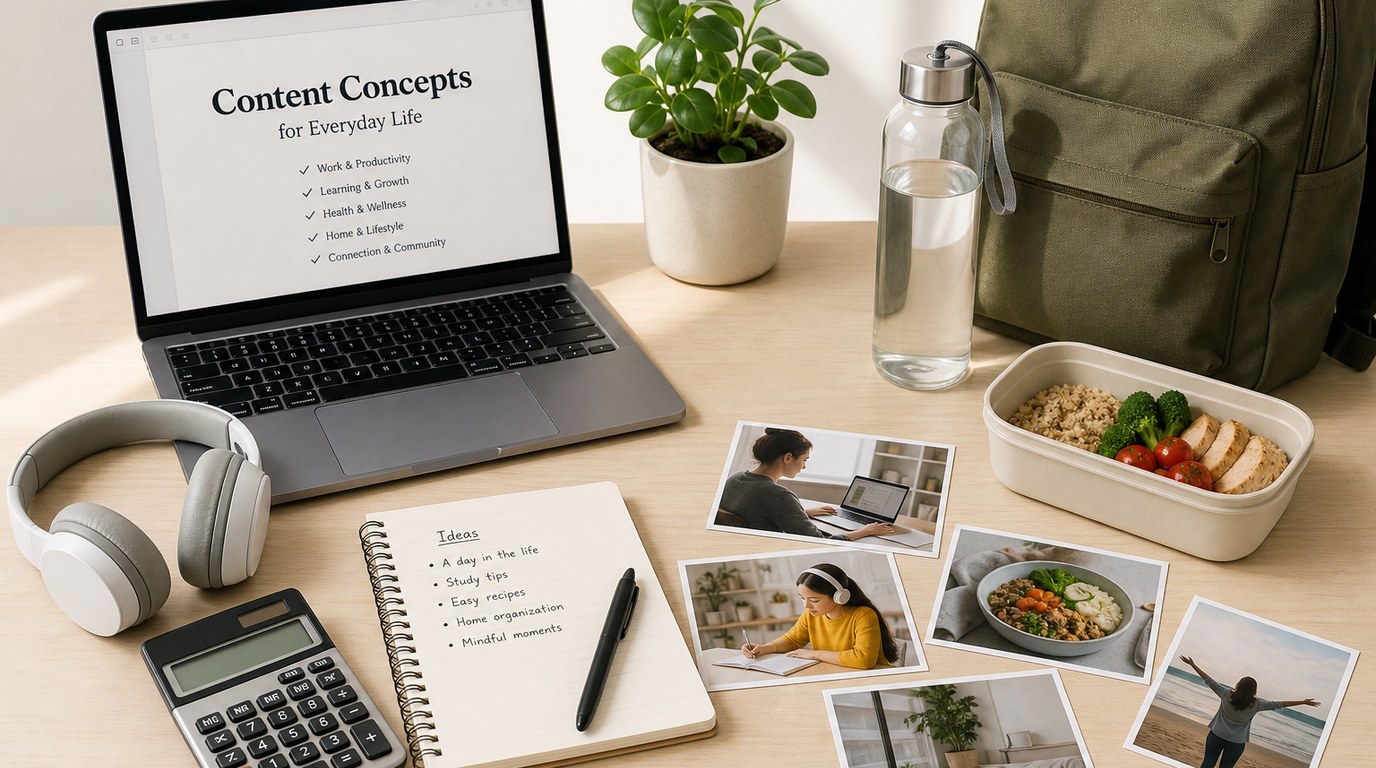
The best mental model for microstock is this: you are not selling “beautiful photos” first. You are selling useful visual solutions. A buyer may need an image to illustrate online learning, remote work, healthy eating, budgeting, stress, friendship, technology, or student life. Your job is to create photos that clearly communicate those ideas and are easy to license.
That distinction matters because many photography students start by uploading their favorite artistic images: sunsets, flowers, pets, random street shots, or dramatic edits. Some may sell, but microstock buyers often need clean, flexible images with copy space, clear concepts, and no legal problems. A plain photo of a hand writing study notes beside a laptop may be more useful than a spectacular landscape.
Microstock also rewards consistency more than occasional luck. One image can sell many times, but most single images do not earn much on their own. The portfolio effect is important: 50 strong images are a start, 300 useful images are more meaningful, and 1,000 targeted images give you more data about what buyers want. Students should treat early uploads as market research, not proof of success or failure.
Income is usually based on royalties. When someone downloads your image under a subscription or credit plan, you receive a percentage or fixed amount. Rates vary by platform, license type, contributor level, and buyer plan. This is why honest expectations are important. Microstock may pay for accessories, software, transport, or part of your camera budget over time, but it should not be presented as guaranteed rent money.
For digital photography students, the real advantage is that microstock aligns with skill development. Assignments about lighting, portraits, still life, editing, and composition can become stock sessions if planned carefully. A class exercise on window light can become a series of images about studying, journaling, remote work, or morning routines. A product photography lesson can become generic still life images using unbranded notebooks, plants, mugs, and stationery.
Legal usability is part of the mental model too. A technically excellent image may be rejected or limited to editorial use if it includes recognizable people without releases, visible brand logos, copyrighted designs, license plates, private interiors, or protected landmarks. Commercial stock needs to be safe for advertising and marketing use. When in doubt, simplify the scene: remove logos, use generic props, avoid recognizable artwork, and get releases for people.
Finally, think like a buyer using search. A designer does not search “nice picture I took for class.” They search terms like “student studying online,” “home office desk,” “college friends teamwork,” “healthy breakfast,” or “young adult budgeting.” Your image title, description, and keywords must match the visual content accurately. Good discoverability does not mean stuffing keywords. It means describing the subject, action, mood, setting, and concept in words a buyer would actually use.
Practical Guidance
Start with subjects you can photograph repeatedly without high costs. Student-accessible microstock works best when you can create many variations from one setup. For example, a desk near a window can produce images about studying, online classes, planning, writing, productivity, exams, freelancing, budgeting, and remote work. Change the angle, hand position, props, background, and copy space to create a useful series.
Here are practical shoot ideas and release notes:
| Shoot idea | Why it can sell | Release considerations |
|---|---|---|
| Hands typing notes beside a laptop | Education, remote work, productivity | Avoid logos; no model release if person is not recognizable |
| Friends studying together | Teamwork, college life, learning | Model releases needed for recognizable people |
| Unbranded coffee, notebook, and phone flat lay | Planning, morning routine, lifestyle | Remove logos and copyrighted designs |
| Simple meal in natural light | Health, student cooking, budget food | Usually no release unless people or branded packaging appear |
| Local street textures or transport details | Urban life, travel, environment | Watch for trademarks, private property, and restricted locations |
| Home office corner | Freelance work, online learning | Remove personal documents, artwork, and logos |
Before uploading, inspect each image at 100% zoom. Stock reviewers often reject files for noise, motion blur, missed focus, overprocessing, dust spots, chromatic aberration, or poor exposure. Shoot at the lowest practical ISO, use a stable shutter speed, focus carefully, and avoid heavy filters. Editing should improve clarity without making the photo look artificial. Clean color, natural contrast, and accurate white balance usually perform better than extreme presets.
Build a simple submission workflow. After each shoot, select only the strongest images. Edit them consistently, export high-resolution JPEGs in the color space and size required by your platform, then add metadata. Your title should be plain and descriptive, such as “College student taking notes during online class at home.” Keywords should include who, what, where, and concept: student, online learning, laptop, notes, education, home office, studying, remote class, productivity. Do not add unrelated keywords just to appear in more searches; that can hurt buyer trust and platform ranking.
Submit to one or two platforms first instead of spreading yourself thin. Learn their review standards, rejection reasons, release forms, and dashboard data. Once your process is smooth, you can expand. Keep a spreadsheet with file names, subjects, upload dates, platforms, rejections, approvals, and sales. Patterns will appear: maybe your desk setups sell, but your random nature shots do not. That feedback is valuable.
A realistic 30-day student plan could look like this:
- Week 1: Research top-selling themes in education, work, lifestyle, food, and technology. Prepare generic props and release forms.
- Week 2: Shoot three simple sessions: desk study, food prep, and hands using technology.
- Week 3: Edit, keyword, and submit 30 to 50 polished images.
- Week 4: Review rejections, improve technical issues, and plan another batch based on what was accepted.
Common mistakes include uploading too few images, using artistic titles instead of searchable descriptions, leaving logos in the frame, ignoring releases, overediting, and giving up before the portfolio is large enough to produce data. Another mistake is copying trends too literally. It is fine to study what sells, but your images should be original and based on scenes you can create honestly.
Microstock is worth trying if you enjoy structured practice and can think commercially. Even if earnings start small, you will gain stronger editing habits, better attention to detail, and a clearer understanding of what makes a photograph useful to clients.
FAQ
What Should a Beginner Know First About Microstock for Digital Photography Students Make Money from Your Photography?
Beginners should know that microstock is a volume-and-quality game. You upload useful, technically clean images and earn royalties when buyers license them. It is realistic as a side income experiment, but it usually takes time, consistent submissions, and a growing portfolio.
What Matters Most When Evaluating Microstock for Digital Photography Students Make Money from Your Photography?
The most important factors are commercial usefulness, technical quality, legal safety, and searchability. A photo should communicate a clear concept, be sharp and clean, avoid trademark or release problems, and include accurate titles and keywords that buyers would actually search.
What Mistakes Should Readers Avoid with Microstock for Digital Photography Students Make Money from Your Photography?
Avoid uploading random images without a buyer in mind. Also avoid visible logos, recognizable people without releases, heavy editing, keyword stuffing, and unrealistic income expectations. Treat rejections as feedback, not failure, and improve your shooting and submission process.
What Is the Next Logical Step After Learning About Microstock for Digital Photography Students Make Money from Your Photography?
Choose one beginner-friendly theme, such as studying at home or simple food scenes, and plan a small shoot. Create 20 to 30 polished images, submit them to one platform, study the review results, and use that feedback to improve your next batch.