
If you’re asking whether you should shoot in landscape or horizontal, the short answer is: those usually mean the same thing in photography. A horizontal photo is an image that is wider than it is tall, and that orientation is commonly called landscape. The real choice is usually horizontal vs vertical rather than “landscape vs horizontal.” For beginners, a good rule is simple: shoot horizontal when you want to show more width, space, or context, and shoot vertical when the subject is tall or the final image will be viewed on phones or social media. Orientation is a composition decision, not a camera quality setting.
Quick Answer
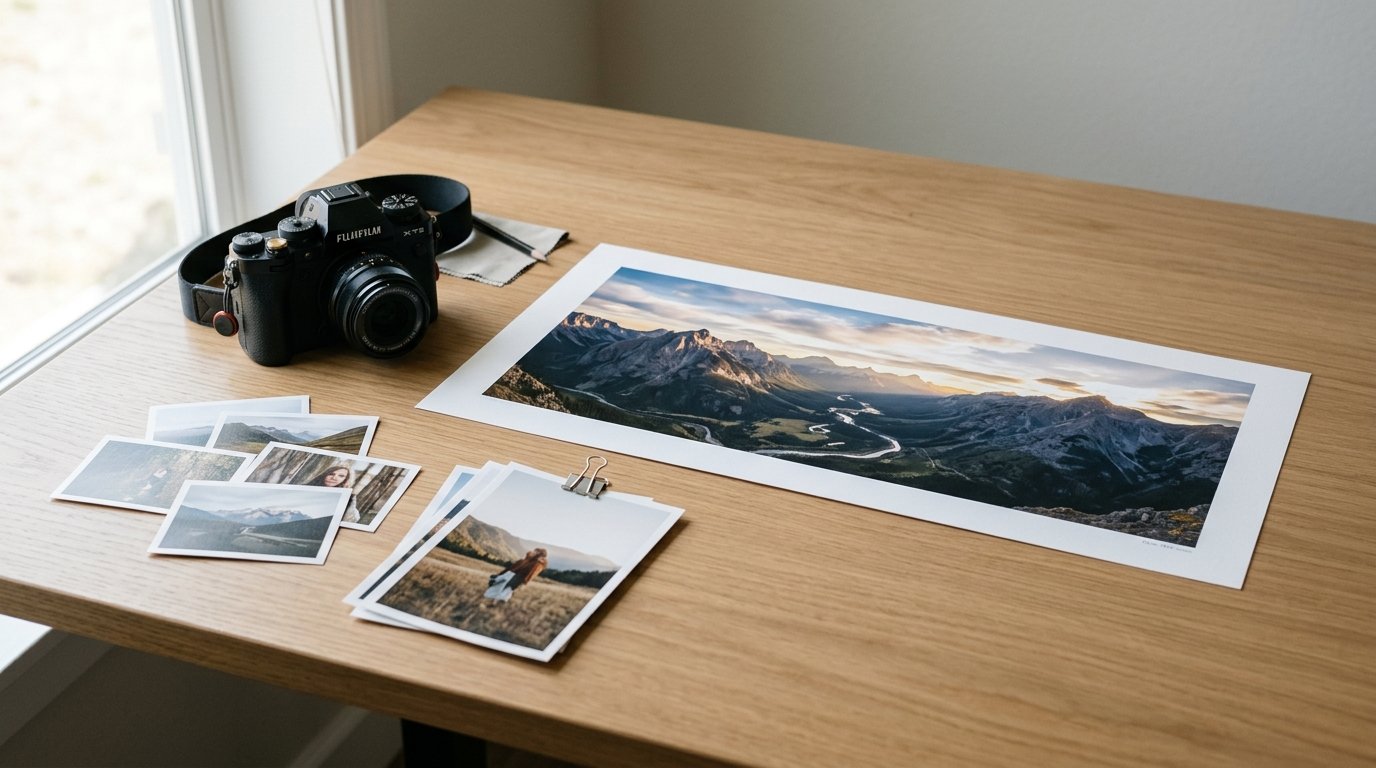
In everyday photography, landscape = horizontal. They both describe an image orientation where the frame is wider than it is tall. So if someone asks, “What format do you shoot in, landscape or horizontal?” the helpful correction is that those are not two different options.
What you are usually choosing between is:
- Landscape / horizontal
- Portrait / vertical
For most scenes, neither is automatically better. The best orientation depends on what you want the viewer to notice.
Choose horizontal when:
- the scene spreads left to right
- you want to include background and environment
- you are photographing groups, wide views, roads, beaches, or mountains
Choose vertical when:
- the subject is tall
- you want a stronger, tighter emphasis on one person or object
- the image is mainly for phone-first viewing or certain social platforms
A beginner-friendly takeaway is this: match the shape of the frame to the shape and purpose of the subject. If the subject feels wider, shoot horizontal. If it feels taller, shoot vertical. If both work, take both versions and compare later.
How to Think About This Topic
The easiest mental model is to stop thinking of orientation as a rule and start thinking of it as a container. Your frame is a box. The job of that box is to hold your subject clearly and intentionally.
If the subject or story stretches across the scene, a horizontal box usually makes more sense. If the subject rises up and down, a vertical box often fits better. This is why landscapes, group photos, and travel scenes are often horizontal, while standing people, doors, trees, and towers are often vertical.
That matters because the user intent behind this question is usually not just vocabulary. Most people asking “what format do you shoot in landscape or horizontal” really want to know which way to hold the camera and when that choice helps the photo.
A practical way to decide is to ask three fast questions:
- What is the main subject?
Is it wide, tall, or balanced?
- What supporting context matters?
Do you need to show surroundings, or would that just distract?
- Where will the photo be used?
On a website banner, horizontal often works well. On a phone screen or story post, vertical may be stronger.
It also helps to separate orientation from other photography terms that sound similar:
- Format can mean file type, like JPEG or RAW.
- Aspect ratio means the proportional shape of the image, like 3:2 or 4:5.
- Orientation means whether the camera is held horizontally or vertically.
In casual conversation, people mix these terms together. But when composing a shot, orientation is the key decision.
One more useful idea: orientation changes how a viewer’s eye moves. Horizontal images often feel more open, stable, and descriptive. Vertical images often feel more direct, focused, and strong. That emotional difference is subtle, but it affects how a photo reads at a glance.
So the core answer to your query is this: you do not choose between landscape and horizontal, because they are the same orientation in most still photography contexts. You choose between horizontal and vertical based on subject shape, scene context, and where the image will be seen.
Practical Guidance
Below is a simple way to make the choice quickly in real shooting situations.
| Situation | Best starting orientation | Why |
|---|---|---|
| Mountain view, beach, skyline | Horizontal | Shows width and environment |
| Group of people | Horizontal | Fits multiple subjects naturally |
| Full-body portrait | Vertical | Matches the height of the person |
| Tall building or tree | Vertical | Emphasizes height and shape |
| Food on a wide table setting | Horizontal | Captures arrangement and context |
| Single object for phone/social post | Vertical | Uses mobile screen space better |
The table gives a starting point, not a rulebook. Many scenes work both ways, but one orientation usually tells the story more clearly.
When Horizontal Makes the Most Sense
Horizontal is often the default because it feels natural for wide scenes and many screens. Use it when the background matters almost as much as the subject.
Examples:
- A hiker on a ridge with mountains behind them
- A family sitting across a picnic table
- A car driving along a road
- A market street where the environment tells part of the story
Horizontal also helps when you want negative space on the left or right. That can make a photo feel calmer and more cinematic.
When Vertical Is the Smarter Choice
Vertical works best when your subject is taller than it is wide or when you want a more direct visual statement.
Examples:
- A standing person
- A waterfall
- A church doorway
- A bottle, flower stem, or lamp
Vertical can remove distracting side details and concentrate attention. It is also very practical if the photo is mainly for phone viewing, stories, or vertical social layouts.
Common Beginner Mistakes
A lot of orientation problems come from habit rather than intention.
Watch out for these:
- Always shooting horizontal by default even when the subject is tall
- Cropping too aggressively later because the original orientation was wrong
- Ignoring the background and choosing an orientation that includes clutter
- Framing too tightly so the subject feels cramped
- Not checking final use before shooting
If you notice yourself rotating the crop a lot in editing, that usually means orientation should have been considered earlier.
A Simple Workflow to Use in the Field
When you raise the camera, pause for two seconds and do this:
- Identify the main subject.
- Ask whether it is wider or taller.
- Decide if the surroundings help the photo.
- Shoot the obvious orientation first.
- If time allows, rotate the camera and shoot the alternate version too.
This is especially useful for travel, family, and landscape photography, where you may later discover that a different orientation would have fit the final use better.
Short Real-world Examples
A waterfall in a forest: vertical often works best because it follows the drop and reduces empty side space.
A sunset over the ocean: horizontal usually wins because the horizon line and width are the story.
A person in front of that sunset: try both. Horizontal shows the environment; vertical makes the person more dominant.
A plate of food: if the styling spreads across the table, go horizontal. If the image is for a phone-first post and the dish is central, vertical may perform better.
The practical lesson is simple: orientation should support the subject and the final purpose of the image. That is the real choice behind the phrase “landscape or horizontal.”
FAQ
Is Landscape the Same as Horizontal in Photography?
Yes. In most photography conversations, landscape and horizontal mean the same orientation: the frame is wider than it is tall. The matching opposite term is usually portrait or vertical, not another kind of “format.”
Should Beginners Shoot Horizontal or Vertical?
Beginners should shoot based on the subject, not habit. Start with horizontal for wide scenes and vertical for tall subjects. When unsure, take both. That quickly teaches you how orientation changes emphasis, background, and overall composition.
Is Horizontal Better for Landscape Photography?
Often yes, because many natural scenes are wide and benefit from extra left-to-right space. But not always. A tall waterfall, cliff, or tree-lined path may look stronger in vertical, especially when height matters more than width.
Does Orientation Matter If I Can Crop Later?
Yes. Cropping later helps, but it cannot fully replace a well-chosen orientation. A poor starting orientation may cut off useful space, reduce resolution, or force awkward composition. It is usually better to decide intentionally while shooting.
What Orientation Is Best for Instagram or Phone Viewing?
For phone viewing, vertical often feels stronger because it fills more of the screen. But the best choice still depends on the subject. Wide travel scenes and panoramas can work well horizontally, while portraits and single-subject shots often work better vertically.