
Quick Answer
You might want an external flash unit even as a hobbyist because it gives you better-looking light, more control, and more reliable results than a built-in flash or simply raising ISO. It is not only for wedding photographers or studio work. It can help with everyday photos of family, pets, indoor events, small products, food, and portraits.
The main benefit is direction. A built-in flash points straight ahead from the camera, which often creates flat faces, harsh shadows, shiny skin, and dark backgrounds. An external flash can tilt, swivel, bounce off ceilings or walls, or be moved off-camera. That changes flash from “bright light blasted at the subject” into “light you can shape.”
It also helps when available light is ugly or weak. A dim living room, a restaurant, a school event, or a cloudy backyard portrait can all look cleaner with flash. Instead of pushing ISO very high and accepting noise or motion blur, you can add your own light.
That said, an external flash is most useful if you are willing to practice. If you only shoot landscapes in daylight, travel snapshots, or casual phone-style photos, it may not be your first upgrade. But if you often think, “This photo would be great if the light were better,” an external flash is one of the most practical hobbyist tools you can buy.
How to Think About This Topic
Think of an external flash as a portable light source, not just a brighter version of the tiny pop-up flash. That mental shift matters. The goal is not simply to make a dark scene brighter. The goal is to control the quality, direction, and consistency of light.
Camera settings can only work with the light that already exists. A wider aperture lets in more light but reduces depth of field. A slower shutter speed lets in more light but can blur moving people. A higher ISO brightens the image but can add noise and reduce detail. An external flash solves a different problem: it adds light where you need it.
This is why you might want an external flash unit even as a hobbyist. Many hobbyist situations happen in bad light. Birthdays are indoors. Family dinners are under ceiling lights. Kids move quickly. Pets do not hold still. Friends gather at night. A camera can struggle in all of these cases, even if it is technically “good.”
Here is a simple comparison:
| Situation | Built-In Flash | External Flash |
|---|---|---|
| Indoor family photo | Often harsh and flat | Can bounce for softer light |
| Moving kids or pets | May still look dim or blurry | Helps freeze motion |
| Portraits | Direct light can be unflattering | Direction and softness improve faces |
| Events in mixed lighting | Limited range and control | More power and consistency |
| Creative lighting | Very limited | Can be angled, modified, or used off-camera |
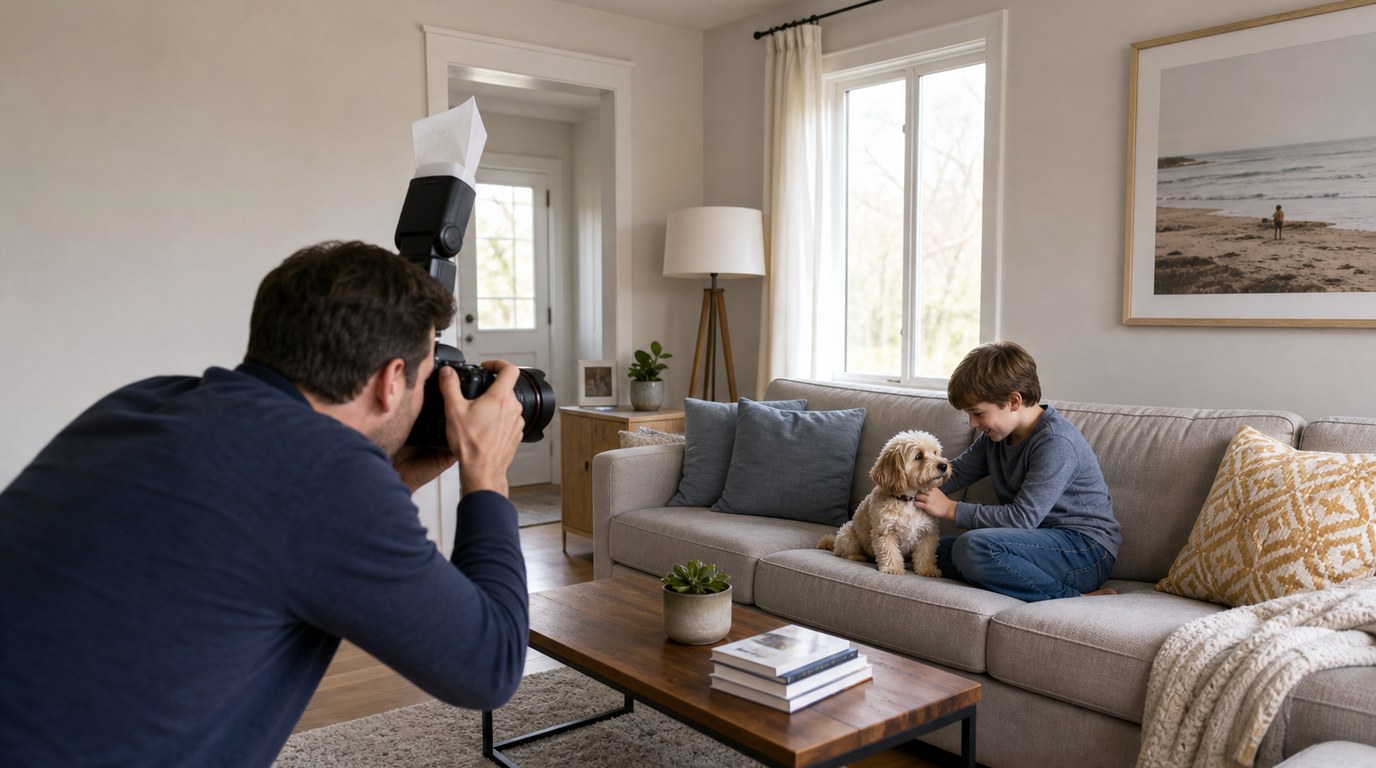
The biggest beginner-friendly feature is bounce flash. With a flash that tilts upward or swivels sideways, you can aim the light at a white ceiling or wall. That surface becomes a larger light source, which usually looks softer and more natural than direct flash. For example, instead of a shiny forehead and black shadow behind your subject, you get more even light that feels like it belongs in the room.
Another useful idea is flash exposure compensation. If the flash looks too strong, you can dial it down. If your subject is still too dark, you can raise it. You do not need to master advanced formulas to start; you just need to learn how to adjust flash brightness separately from the overall camera exposure.
TTL, or through-the-lens flash metering, is also helpful for beginners. In TTL mode, the camera and flash estimate how much light is needed. It is not perfect, but it is a practical starting point for changing situations, such as a party where people move around the room.
The mental model is simple: your camera controls the recording of the scene, while your flash helps create the light in the scene. Once you see flash this way, it becomes less intimidating and much more useful.
Practical Guidance
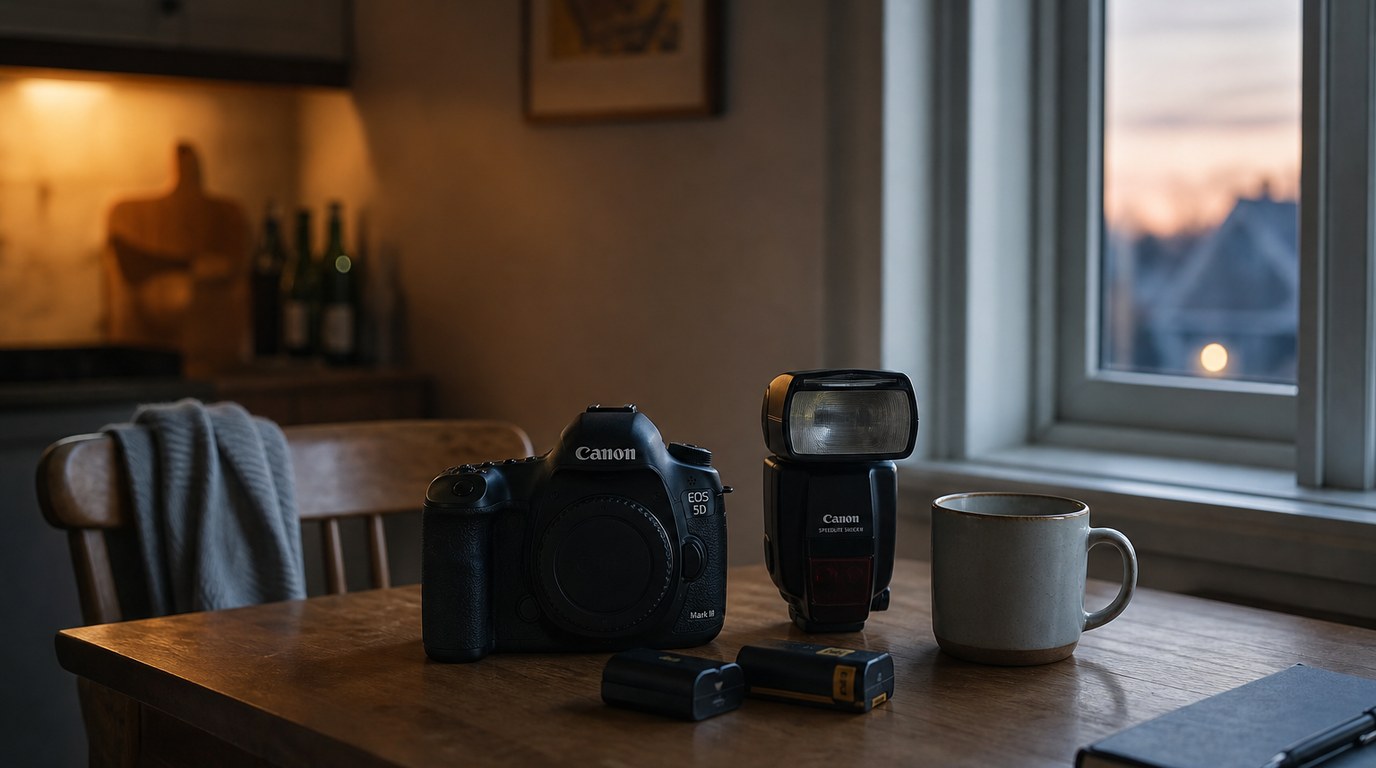
An external flash is most worth considering if your photos often suffer from dim light, harsh indoor lighting, motion blur, or inconsistent results. You do not need to be a professional. You just need enough repeated situations where better light would noticeably improve your images.
Good hobbyist use cases include indoor family photos, birthday parties, holiday gatherings, home portraits, pet photos, small product shots, food photography, and casual event coverage. If you photograph your child blowing out candles, a friend opening gifts, or a dog running around the living room, flash can help you use faster shutter speeds and lower ISO while keeping the subject bright.
Portraits are another strong reason. Even a basic external flash can improve a simple portrait if you bounce it, soften it, or move it off-camera. A person standing near a wall under overhead lights may have dark eye sockets and uneven skin tones. Add bounced flash, and the face becomes cleaner and more flattering. Move the flash to the side with a small modifier, and you can create more shape and depth.
When choosing a first flash, avoid buying only by maximum power or brand hype. Look for practical features:
- A head that tilts and swivels so you can bounce light.
- TTL support if you want easier automatic flash exposure.
- Manual power control so you can learn and repeat settings.
- Flash exposure compensation through the camera or flash.
- A reasonable recycle time so you are not waiting too long between shots.
- Compatibility with your camera system for TTL and high-speed sync if needed.
Sync speed is worth knowing, but not overthinking at first. Most cameras have a maximum normal flash sync speed, often around 1/200 or 1/250 second. If you go faster without special modes, part of the image may be dark. High-speed sync can help outdoors with wide apertures, but for indoor hobbyist use, normal sync speed is usually fine.
You may not need an external flash if you mostly shoot landscapes, daytime travel, wildlife at long distances, concerts where flash is banned, or documentary-style scenes where adding light would be distracting. In those cases, a better lens, tripod, or camera technique may matter more.
A good beginner workflow is simple. Start indoors in TTL mode. Aim the flash at a white ceiling, take a photo, and check the result. If the subject looks too bright, reduce flash exposure compensation. If the subject is too dark, increase it. Then try bouncing off a side wall and notice how the shadows change. After that, experiment with manual flash power for repeatable setups, such as product photos or portraits in the same room.
The main mistake is expecting the flash to fix everything automatically. Direct flash from an external unit can still look harsh if aimed straight at someone. Dark ceilings, colored walls, mirrors, and very large rooms can also make bounce flash harder. Flash is powerful, but it rewards small adjustments.
For many hobbyists, the best reason to buy one is confidence. You stop depending entirely on whatever light happens to be available. Instead, you can walk into a dim room and know you have a tool that can make the photo work.
FAQ
What Should a Beginner Know First About Why You Might Want an External Flash Unit Even as a Hobbyist?
A beginner should know that an external flash is mainly about better light control, not just more brightness. The ability to bounce, angle, soften, or move the light is what makes it useful for indoor photos, portraits, events, and everyday hobbyist shooting.
What Matters Most When Evaluating Why You Might Want an External Flash Unit Even as a Hobbyist?
The most important question is whether poor light regularly limits your photos. If you often shoot indoors, photograph people, or struggle with blur and high ISO noise, an external flash may help. Prioritize tilt, swivel, TTL, manual control, and camera compatibility.
What Mistakes Should Readers Avoid with Why You Might Want an External Flash Unit Even as a Hobbyist?
Avoid assuming a bigger flash automatically means better photos. Also avoid aiming it straight at people all the time. Learn bounce flash, flash exposure compensation, and simple manual power settings. Those skills matter more than buying the most expensive model first.
What Is the Next Logical Step After Learning About Why You Might Want an External Flash Unit Even as a Hobbyist?
The next step is to try a basic compatible flash and practice in one room. Bounce it off a ceiling, then a side wall, and compare results. Once you understand direction and brightness, you can explore modifiers, off-camera flash, and more creative lighting setups.