

To make your kids want to be in photos, make the experience feel safe, quick, and partly under their control. Avoid starting with “stand still and smile.” Instead, begin with movement, play, or a small choice: “Do you want to sit on the steps or lean on the tree?” Keep sessions short, photograph real moments first, and ask for posed shots only after they relax.
The goal is not to trick kids into cooperating. It is to remove the things that make photos feel uncomfortable: pressure, boredom, scratchy clothes, bad timing, and too many instructions. When photo time feels fun and respectful, kids are much more likely to join in willingly.
Why Kids Often Don’t Want to Be in Photos
Most kids do not dislike photos themselves. They dislike what photo time often becomes: adults rushing, repeating “smile,” adjusting their clothes, and asking them to hold still when they would rather move.
Resistance usually comes from one of five things: lack of control, boredom, pressure, poor timing, or discomfort. A hungry toddler, an embarrassed preteen, and a child in stiff shoes may all say “I don’t want pictures,” but they need different solutions.
Think of cooperation as something you create, not something you demand. If your child feels seen, comfortable, and included, the camera becomes less of a problem.
Start by Lowering the Pressure
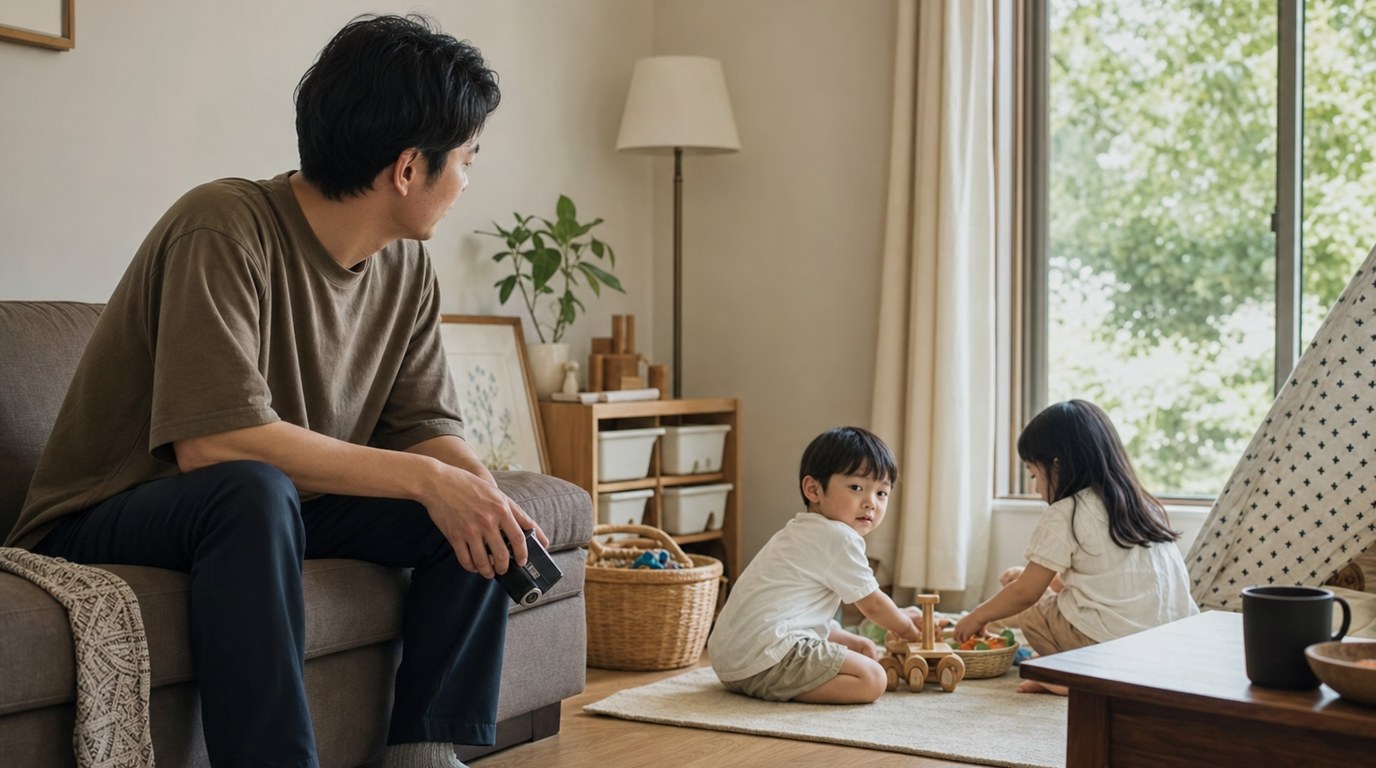
The fastest way to improve photo cooperation is to stop making every photo feel important. Kids can sense when adults are tense, especially before holidays, school events, or family portraits.
Use casual language. Instead of “We need one perfect picture,” try, “Let’s take a few quick photos while we’re here.” Avoid correcting every smile, posture, or hair movement. If the first photo is silly or imperfect, let it be.
You can also set a clear limit: “We’ll take photos for three minutes, then you can go play.” A short promise that you actually keep builds trust for next time.
Give Kids Small Choices so They Feel Involved
Children cooperate better when they have limited, real choices. The key is to offer options you can accept, not open-ended control over whether photos happen at all.
Try choices like:
- “Do you want to stand by Dad or hold Mom’s hand?”
- “Should we take one serious photo or one silly photo first?”
- “Do you want to wear the blue sweater or the green one?”
- “Should we take the picture on the porch or by the flowers?”
This gives your child ownership without turning the session into a negotiation. For older kids, involve them even more: ask which angle they like, whether they prefer sitting or standing, or if they want to check the first shot.
Make the First Photos Candid, Not Posed
Do not begin with the hardest request: eye contact, stillness, and a natural smile all at once. Start with candid photos while your child is doing something familiar.
Photograph them walking, playing with a pet, looking at a book, jumping off a low step, or holding a favorite toy. These moments help them forget the camera is the center of attention.
Once they loosen up, ask for one small posed moment: “Look at me for just one photo.” Because you have already captured useful images, the posed shot feels less pressured for everyone.
Turn Photo Time Into a Game
Games create real expressions faster than commands. Instead of asking for a smile, give your child something to react to.
Try “freeze and wiggle”: let them dance or run in place, then call “freeze” for one quick photo. Play “don’t smile,” where you jokingly tell them they are absolutely not allowed to laugh. For siblings, ask them to bump shoulders, whisper a silly word, or see who can make the other giggle first.
Movement games work well too. Have kids walk toward you, spin once, jump, toss leaves, or race to a marker. Use the burst mode on your phone or camera so you can catch the split second when the expression looks natural.
The best games are simple, safe, and short. Stop while the energy is still good.
Keep Sessions Short and Stop Before They Are Done
Kids remember how photo time ends. If you push until they are frustrated, they learn that pictures are something to avoid.
Plan for five to ten minutes with younger kids and slightly longer for older children who are comfortable. If you get one strong image early, do not keep chasing a better one forever. Take a few more, then end positively.
Say, “That was perfect—thank you,” and let them move on. Ending before they are completely tired protects future cooperation, which matters more than one extra frame today.
Choose Better Timing, Clothing, and Locations
Good timing solves many behavior problems before they start. Avoid photos when kids are hungry, tired, overstimulated, or being pulled away from something exciting. After a snack, before a big event, or during calm outdoor play often works better.
Clothing matters too. If an outfit is itchy, tight, hot, or unfamiliar, the child may blame the photo session. Choose clothes they can move in, and test dressy outfits before the day you need them.
Pick locations with room to move and fewer distractions. A quiet park, backyard, porch, or bright window is often easier than a crowded event space. Comfort beats a “perfect” background.
| If your child resists because… | Try this response |
|---|---|
| They feel forced | Offer two simple choices |
| They are bored | Add movement or a game |
| They are uncomfortable | Change clothing, shoes, or location |
| They feel embarrassed | Start with candid photos |
| They are tired or hungry | Pause and try later |
Use Camera Settings That Let You Work Fast
Kids move quickly, so your camera or phone should help you react fast. If you are using a phone, turn on burst mode or hold the shutter for a sequence if your model supports it. Tap to focus on your child’s face and shoot near a window or outdoors for better light.
On a beginner camera, use shutter priority mode if available. Start around 1/250 second for general movement and 1/500 second for running or jumping. Use continuous autofocus, often called AF-C or Servo AF, so focus keeps adjusting as your child moves.
A wider aperture, such as f/2.8 to f/4, can blur the background, but do not go so wide that a moving child is always out of focus. The best setting is the one that helps you capture the moment quickly.
Let Kids See and Celebrate the Results
After taking photos, show your child a few good ones. Let them see that the result is not about judging their appearance but remembering a fun moment.
Use specific, positive comments: “I love how happy you look with your dog,” or “That jumping photo is amazing.” Avoid saying, “See, you look better when you smile properly.”
You can also let them choose a favorite to print, send to a grandparent, or put in a small album. Pride builds willingness.
What Not to Do If You Want Better Cooperation
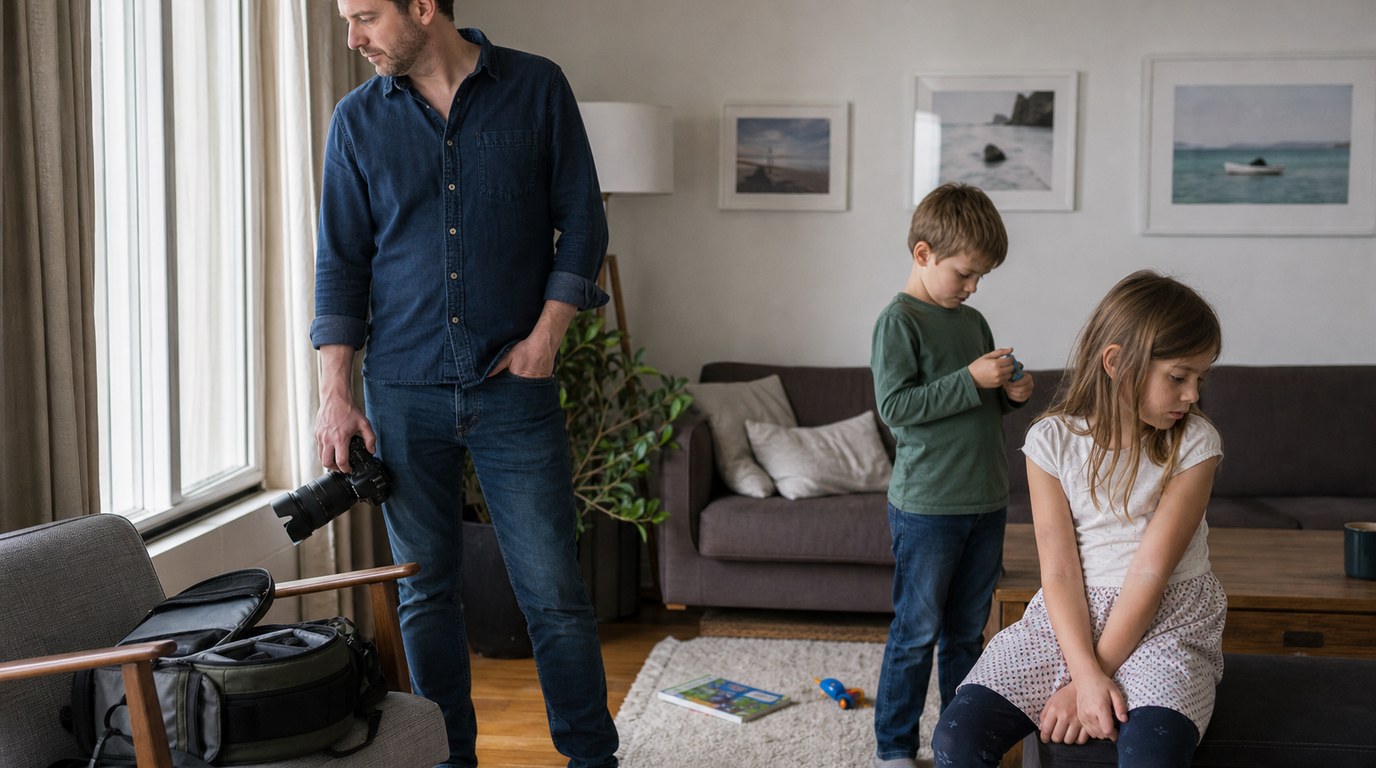
Avoid turning photos into a battle. Do not threaten, shame, bribe heavily, or compare one child to another. “Your sister is smiling, why can’t you?” almost always makes things worse.
Do not keep repeating “smile” if it is not working. Try a joke, movement, a break, or a candid moment instead.
Also avoid over-directing: chin down, stand straight, fix your hands, smile bigger, look natural. Too many instructions make kids self-conscious. Give one direction at a time, then take the picture quickly.
FAQ
What Should a Beginner Know First About How to Make Your Kids Want to Be in Photos?
Start by making photos feel low-pressure. Your first goal is not a perfect portrait; it is helping your child feel comfortable around the camera. Use short sessions, simple choices, movement, and candid moments before asking for still poses or direct eye contact.
What Matters Most When Evaluating How to Make Your Kids Want to Be in Photos?
Pay attention to why your child is resisting. Are they tired, bored, uncomfortable, embarrassed, or feeling controlled? The best solution depends on the cause. A game helps boredom, but an itchy outfit or hungry child needs a practical fix first.
What Mistakes Should Readers Avoid with How to Make Your Kids Want to Be in Photos?
Avoid forcing smiles, dragging sessions out, criticizing expressions, or making every photo feel like a high-stakes event. These habits teach kids that photos are stressful. Keep directions light, stop before frustration builds, and praise cooperation more than perfect posing.
What Is the Next Logical Step After Learning About How to Make Your Kids Want to Be in Photos?
Try one short, playful photo session with no pressure to get a perfect image. Choose good light, set your camera or phone for quick shooting, and use one game or small choice. Notice what your child responds to, then repeat that approach next time.