

Boring light does not have to mean boring photos. Flat, dull, overcast, or harsh midday light simply removes some of the drama that photographers often rely on. To create impactful photos in boring light, shift your attention from “beautiful light” to stronger choices: better subjects, clearer contrast, intentional composition, controlled exposure, and thoughtful editing.
The basic mental model is simple: if the light is not creating impact, something else must. That might be shape, color, texture, gesture, mood, background separation, or a strong graphic composition. Instead of waiting for perfect conditions, learn to build interest from the elements you can control.
What Makes Light Feel Boring?
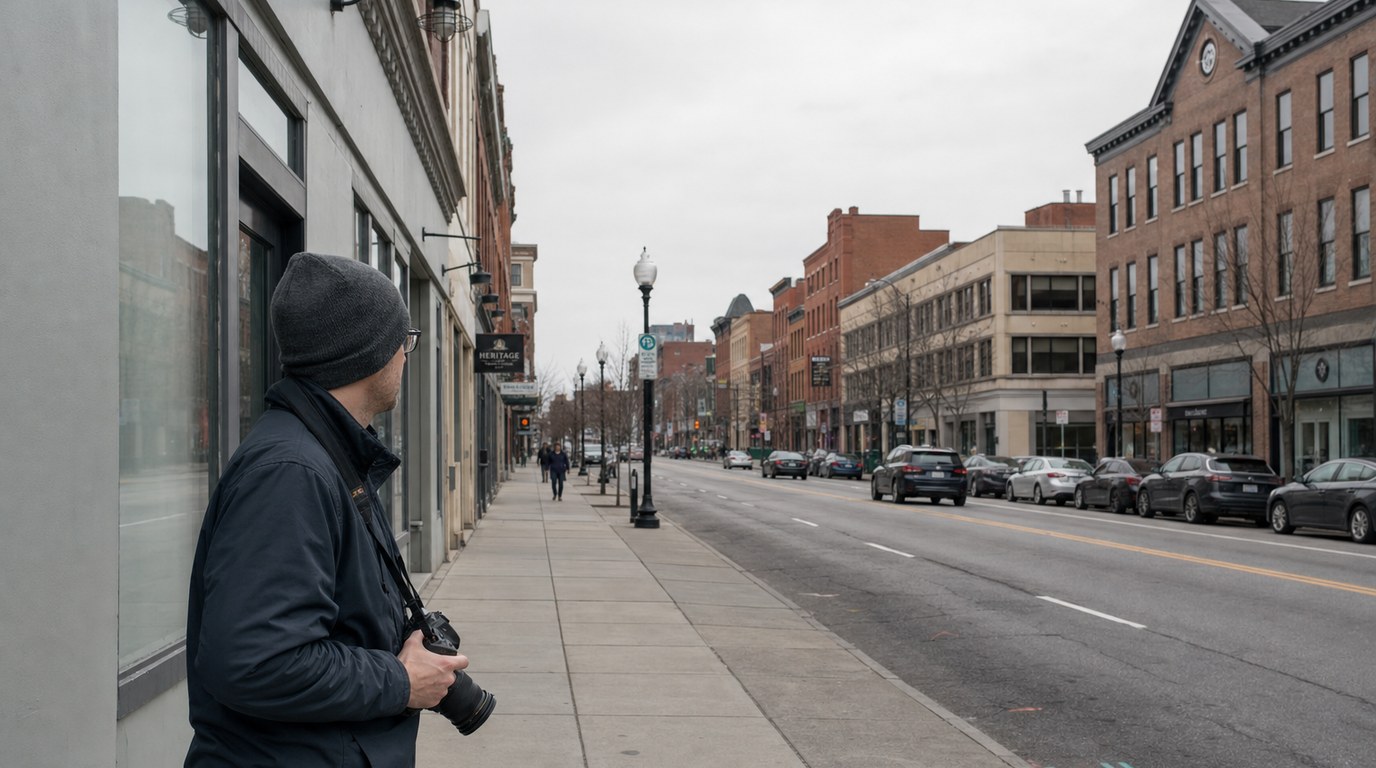
Light feels boring when it does not create much direction, contrast, color, or shadow. Overcast skies can spread light evenly across a scene, which is useful but often low in drama. Midday haze can make colors look weak. Indoor ambient light can feel flat if it comes from every direction at once.
The problem is not that the light is “bad.” It is that the light is not doing much of the visual work for you. Golden-hour light adds warmth, long shadows, and depth automatically. Boring light asks the photographer to create that interest through subject choice, composition, contrast, timing, and editing.
Once you understand that, dull conditions become a creative problem, not a reason to stop shooting.
Start by Finding a Stronger Subject
When the light is unexciting, your subject has to carry more weight. A plain object in flat light usually looks plain. A subject with strong shape, emotion, texture, color, or story can still work beautifully.
Look for subjects that are interesting even before you raise the camera. A weathered door, a person with a strong expression, a dog shaking off rain, a lone tree against a simple background, or a bright umbrella on a gray street can all survive dull light.
Ask yourself: “Would this still be interesting if the light did nothing special?” If the answer is no, keep looking. In boring light, subject selection is often the biggest upgrade you can make.
Choose Subjects That Work Well in Flat Light
Some subjects actually benefit from soft, even light. Overcast conditions reduce harsh shadows, which is helpful for detail, texture, and subtle color. Instead of forcing every scene to look dramatic, choose subjects that fit the conditions.
| Dull lighting condition | Subjects that often work well |
|---|---|
| Overcast sky | Portraits, flowers, forests, waterfalls, street details |
| Flat indoor light | Still life, food, products, documentary moments |
| Hazy midday | Minimal landscapes, silhouettes, architecture |
| Rainy gray weather | Reflections, umbrellas, windows, wet streets |
| Low-contrast shade | Textures, patterns, close-ups, black-and-white scenes |
Flat light is especially good for portraits because people do not squint, and skin tones are easier to control. It is also useful for macro and nature details, where harsh shadows can hide the subject.
Create Contrast Without Waiting for Better Light
Impact often comes from contrast. If the light does not provide it, create contrast in other ways.
Start with tonal contrast: place a light subject against a dark background, or a dark subject against a light one. A person in a black coat against a pale wall can stand out even under gray skies. Look for doorways, shaded trees, bright signs, dark windows, or clean walls that separate the subject.
Use color contrast too. Red against green, yellow against blue, or a warm subject in a cool scene can add energy without dramatic light. Even one strong color can rescue a flat frame.
You can also create contrast through texture. Smooth skin against rough brick, soft fog against sharp branches, or a clean product against a worn tabletop gives the eye something to compare.
In boring light, separation matters. If your subject blends into the background, move your feet before changing your settings.
Use Composition to Add Energy
Composition becomes more important when light is not exciting. Strong framing can make a flat-light photo feel intentional instead of accidental.
Use leading lines to pull attention toward your subject: roads, railings, fences, shadows, shelves, or building edges. Look for frames within frames, such as windows, doorways, tree branches, mirrors, or gaps between people. These structures add depth even when the light is even.
Simplify the background. Boring light often makes clutter look worse because nothing stands out naturally. Move closer, change your angle, or use a longer focal length to isolate the subject. If the scene feels dull, remove distractions until the main idea becomes obvious.
Try stronger viewpoints. Shoot from low to make a subject feel bold, from above to show patterns, or straight-on for a clean graphic look. Centered compositions, symmetry, negative space, and repeated shapes often work well in flat light because they do not depend on dramatic shadows.
Adjust Camera Settings for Dull Conditions
In dull light, your settings should protect image quality while supporting the mood. You do not need complicated exposure theory, but you do need enough shutter speed, clean exposure, and the right depth of field.
Watch your shutter speed first. Flat or overcast conditions can be darker than they appear, especially in forests, streets, or indoor spaces. For handheld shots, use a shutter speed fast enough to avoid blur. A safe starting point is around 1/125 second for still subjects and 1/250 second or faster for people, pets, or street movement.
Raise ISO when needed. A slightly noisy sharp photo is better than a clean blurry one. Modern cameras handle ISO 800, 1600, or higher better than many beginners expect.
Use aperture intentionally. A wide aperture, such as f/1.8 to f/4, can blur a messy background and help the subject stand out. A narrower aperture, such as f/8, works better for scenes where patterns, architecture, or landscapes need detail throughout.
Check exposure compensation. Snow, pale skies, or bright walls may fool the camera into underexposing. Dark scenes may become too bright. Adjust until the photo matches the mood you want.
Add or Shape Light When You Can
You do not always have to accept the light exactly as it is. Small changes can create direction, highlights, and separation without a large studio setup.
For portraits, move your subject near a window, doorway, bright wall, or open patch of sky. Even on a cloudy day, light has direction if one side of the subject faces a brighter area. Turn the face slightly toward that brighter side and watch the eyes and cheekbones gain shape.
A simple reflector can lift shadows or add catchlights. White foam board, a pale wall, a notebook, or even a light-colored shirt can bounce light back toward the subject. For more control, use a small LED or flash from the side instead of straight from the camera position.
You can also subtract light. Place your subject near a dark wall, tree line, or doorway to make one side slightly darker. This “negative fill” creates shape in otherwise flat conditions.
Lean Into Mood Instead of Fighting the Light
Sometimes the best answer is not to make dull light look exciting. It is to use its quietness. Gray skies, mist, rain, shade, and muted color can create calm, loneliness, mystery, or softness.
Instead of chasing brightness, look for subjects that match the mood: empty benches, foggy paths, quiet portraits, wet streets, bare branches, or simple interiors. Reduce the number of elements in the frame and let the atmosphere do the work.
Black and white can also suit boring light because it removes weak color and emphasizes tone, shape, texture, and expression. If a color version feels lifeless, preview the scene in monochrome and see whether the structure becomes stronger.
Edit for Impact Without Overdoing It
Editing can strengthen flat-light photos, but pushing every slider too far often makes the image look unnatural. Start with a clean, controlled workflow.
First, fix exposure and white balance. Dull light can make photos look too cool, too green, or slightly muddy. Adjust until the subject feels natural or matches the intended mood.
Next, add contrast carefully. Use the contrast slider, tone curve, blacks, and whites to create separation. A small drop in blacks and a gentle lift in whites can make the photo feel clearer without crushing detail.
Use local adjustments instead of global drama. Brighten the subject slightly, darken a distracting background, or add contrast only where texture matters. This is often more convincing than making the entire image harsh.
Increase clarity, texture, or dehaze with restraint. These tools help architecture, landscapes, and street scenes, but they can make skin look rough and skies look dirty.
Finally, crop for impact. If the frame includes empty clutter, remove it. Boring light reveals weak composition, and cropping can restore focus.
A Simple Field Workflow for Boring Light
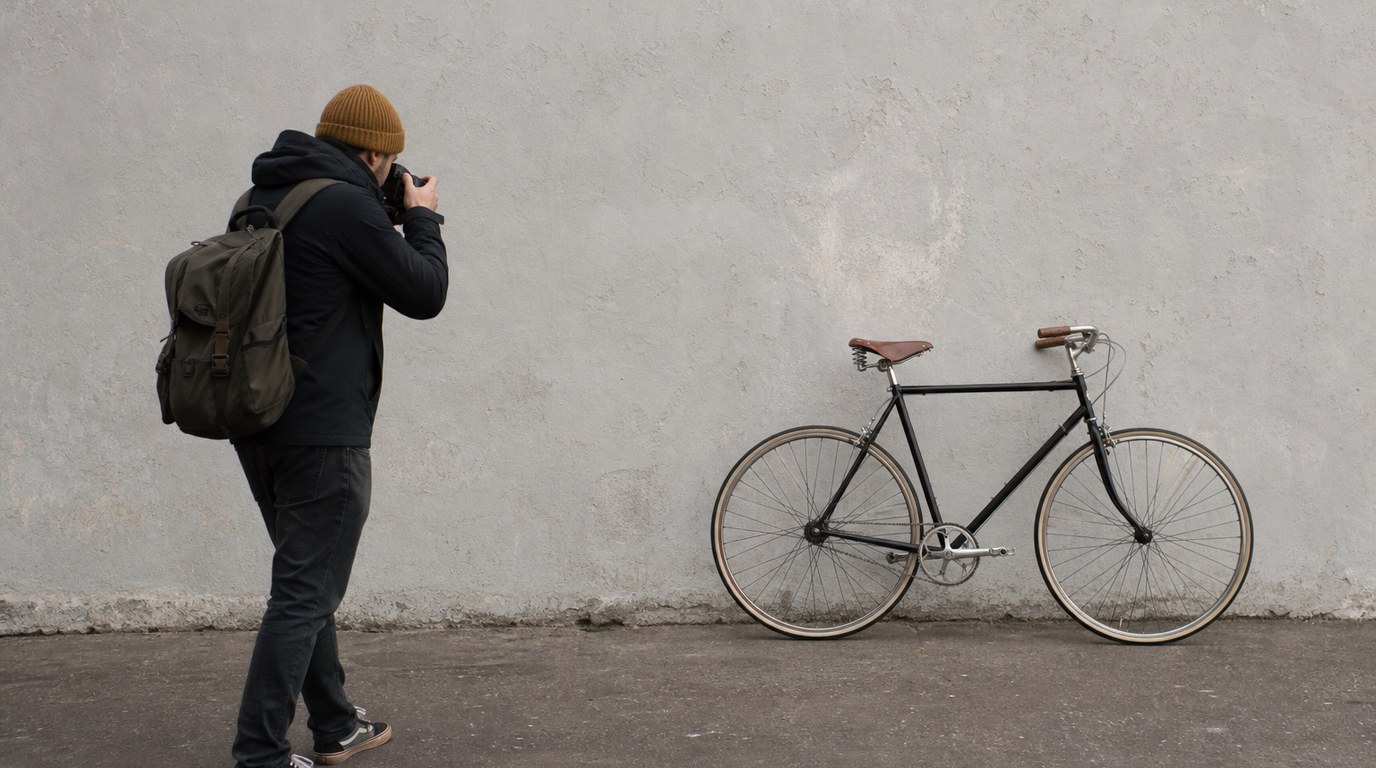
When the light feels dull, use a repeatable process instead of guessing.
First, identify what the light is not giving you: contrast, color, direction, or mood. Then choose a subject that can stand on its own. Look for separation from the background through tone, color, distance, or texture.
Next, compose more deliberately. Simplify the frame, use lines or shapes, and change your angle until the photo has a clear structure. Check shutter speed and ISO so the image stays sharp. If possible, shape the light with a window, reflector, wall, LED, or darker background.
Before moving on, ask: “What is creating the impact here?” If you can answer clearly, you are on the right track.
FAQ
What Should a Beginner Know First About Create Impactful Photos in Boring Light?
A beginner should know that boring light is not a dead end. It simply means the light is not adding much drama. You can still make strong photos by choosing better subjects, simplifying the frame, creating contrast, and editing with purpose.
What Matters Most When Evaluating Create Impactful Photos in Boring Light?
The most important thing is whether the photo has a clear source of impact. In exciting light, that impact may come from shadows or color. In boring light, it usually needs to come from subject, shape, contrast, expression, texture, composition, or mood.
What Mistakes Should Readers Avoid with Create Impactful Photos in Boring Light?
Avoid blaming the light for every weak image. Also avoid overediting dull photos until they look crunchy, oversaturated, or fake. The better approach is to improve the subject, background, separation, and composition first, then use editing to support those choices.
What Is the Next Logical Step After Learning About Create Impactful Photos in Boring Light?
The next step is to practice on purpose. Go out on an overcast day and shoot only subjects that suit flat light: portraits, textures, reflections, forests, street details, or simple still lifes. Review which images work and identify what created the impact.