
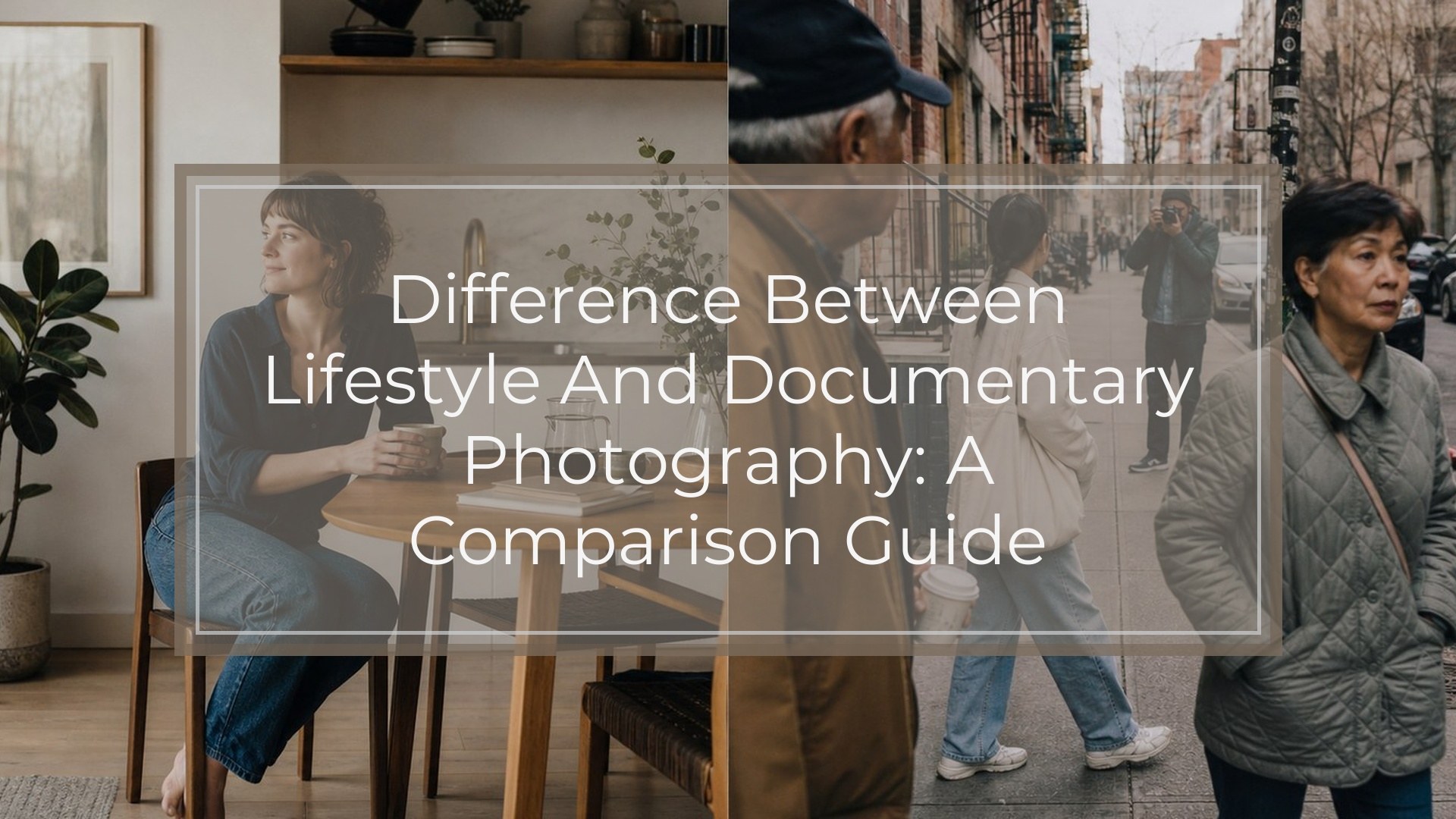
The difference between lifestyle and documentary photography is mainly how much the photographer influences the scene. Lifestyle photography is natural-looking but usually guided: the photographer may choose the location, improve the light, suggest activities, and give gentle prompts. Documentary photography is observational: the photographer records real moments as they unfold, with little or no direction.
A lifestyle family session might include parents playing with their children on a bed near good window light. A documentary family session might show the actual morning routine, including messy breakfast, tired faces, and spontaneous hugs. Both can feel emotional and authentic, but lifestyle photography shapes reality, while documentary photography preserves it.
| Feature | Lifestyle Photography | Documentary Photography |
|---|---|---|
| Photographer role | Guides and prompts | Observes and records |
| Main goal | Natural, polished storytelling | Honest, unposed truth |
| Control | Moderate to high | Low |
| Common uses | Families, branding, weddings, portraits | Events, street, journalism, real-life stories |
| Final look | Warm, intentional, flattering | Candid, raw, moment-driven |
What Is Lifestyle Photography?
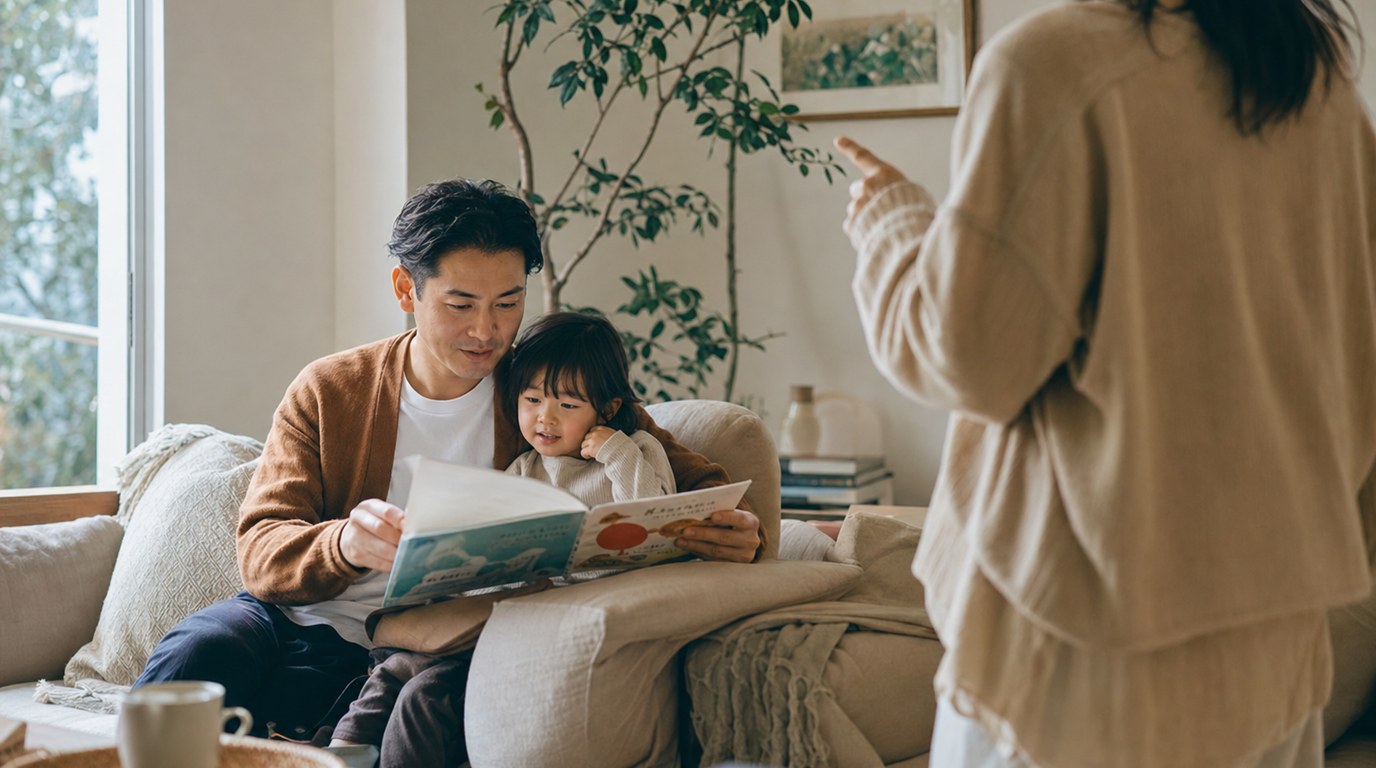
Lifestyle photography is a style that captures people in real-life-inspired situations, but with some creative direction from the photographer. The goal is to make images feel natural, warm, and believable while still looking polished.
Think of lifestyle photography as “directed real life.” A photographer may ask a family to bake cookies together, walk through a park, cuddle on the couch, or laugh with their children. The activity is realistic, but the photographer may choose the best room, adjust the curtains, move clutter, or suggest where people should stand.
This style is common in family sessions, engagement shoots, personal branding, newborn photography, and commercial campaigns. It works well when clients want images that feel personal and relaxed but still attractive enough for albums, websites, social media, or marketing.
What Is Documentary Photography?
Documentary photography records real people, places, and events as they naturally happen. The photographer’s job is not to create the moment, but to notice it, frame it, and preserve it.
In documentary work, the photographer usually avoids posing, staging, or interrupting the scene. At a wedding, this might mean photographing a parent wiping away tears during the ceremony instead of recreating the moment later. In street photography, it could mean capturing the rhythm of a market, a commuter’s expression, or the contrast between people and their environment.
Documentary photography can be artistic, but its foundation is honesty. The image should feel like evidence of something that truly happened. It may be beautiful, messy, emotional, awkward, or quiet, depending on the reality in front of the camera.
The Main Difference: Direction Vs Observation
The easiest way to understand the difference is this: lifestyle photography directs real-looking moments, while documentary photography observes real moments.
In lifestyle photography, the photographer often creates the conditions for a good image. They may say, “Sit closer together,” “Walk toward me,” or “Tell your child a joke.” The interaction may become genuine, but the setup was guided. This gives the photographer more control over light, background, composition, and mood.
In documentary photography, the photographer usually waits instead of directs. They anticipate reactions, watch body language, and move into position without changing what is happening. The power of the image comes from timing and truth, not from prompts.
Neither approach is automatically better. Lifestyle photography is ideal when clients want natural but flattering images. Documentary photography is stronger when the priority is accuracy, real emotion, and the story exactly as it unfolded.
How the Photos Look Different
Lifestyle photos often look clean, warm, and intentionally composed. The lighting is usually flattering, backgrounds are chosen carefully, and people tend to look relaxed but still presentable. Even when the image feels candid, it often has a gentle sense of design.
Documentary photos may look more unpredictable. The light might be harsh, the background may be busy, and expressions may be less controlled. But those imperfections can make the image feel more real. A documentary wedding photo might include cluttered tables or guests in motion because that is part of the story.
Visually, lifestyle photography often says, “This is what this moment felt like.” Documentary photography says, “This is what actually happened.”
Client Expectations and Best Use Cases
Lifestyle photography is often the better choice when the client wants attractive, story-based images with some control. Families may want playful but polished photos at home. A small business owner may want branding photos that show them working naturally, but in good light and a tidy space. Couples may want engagement images that feel candid without being completely unplanned.
Documentary photography is better when the value is in real events and unscripted emotion. It fits wedding candids, birth photography, street photography, journalism, cultural projects, and event coverage. It is also useful for families who want their everyday life preserved honestly, not idealized.
For example, a lifestyle branding shoot might show a baker kneading dough near a bright window. A documentary project might follow the baker through an entire workday, including early prep, mistakes, customers, cleanup, and exhaustion.
Posing, Prompts, and Photographer Control
Lifestyle photographers often use prompts instead of formal poses. Rather than saying, “Smile at the camera,” they might say, “Walk together and bump shoulders,” or “Pick up your child and spin once.” The prompt creates movement and emotion while still giving the photographer some control.
Documentary photographers avoid prompts as much as possible. They may move around the room, change lenses, or wait for better alignment, but they do not usually tell subjects what to do. Their control comes from camera position, timing, framing, and patience.
This difference affects the pace of the shoot. Lifestyle sessions often feel collaborative. Documentary sessions often require trust, quiet observation, and comfort with imperfection.
Camera and Gear Considerations
You do not need completely different gear for lifestyle and documentary photography, but your priorities may shift. Lifestyle photographers often benefit from lenses that create flattering portraits, such as a 35mm, 50mm, or 85mm prime lens. They may also use reflectors, simple lighting, or carefully chosen locations.
Documentary photographers often need to react quickly. A versatile zoom, fast autofocus, good low-light performance, and quiet shooting can help. For events and street photography, being mobile matters more than carrying every lens.
In both styles, settings are less important than awareness. Learn exposure, shutter speed, aperture, and focus first. The best gear supports the story; it does not define the style.
Can a Photo Be Both Lifestyle and Documentary?
Yes, a photo can sit between lifestyle and documentary. Many photographers blend the two, especially in family, wedding, and branding work. A photographer might lightly guide a couple into good window light, then stop directing and photograph the real interaction that follows.
This overlap is why the terms can feel confusing. The question is not always, “Which label is correct?” A better question is, “How much was the moment shaped by the photographer?”
If the scene was arranged or prompted, it leans lifestyle. If the photographer simply observed what happened, it leans documentary. Many modern galleries include both.
Which Style Should You Choose?
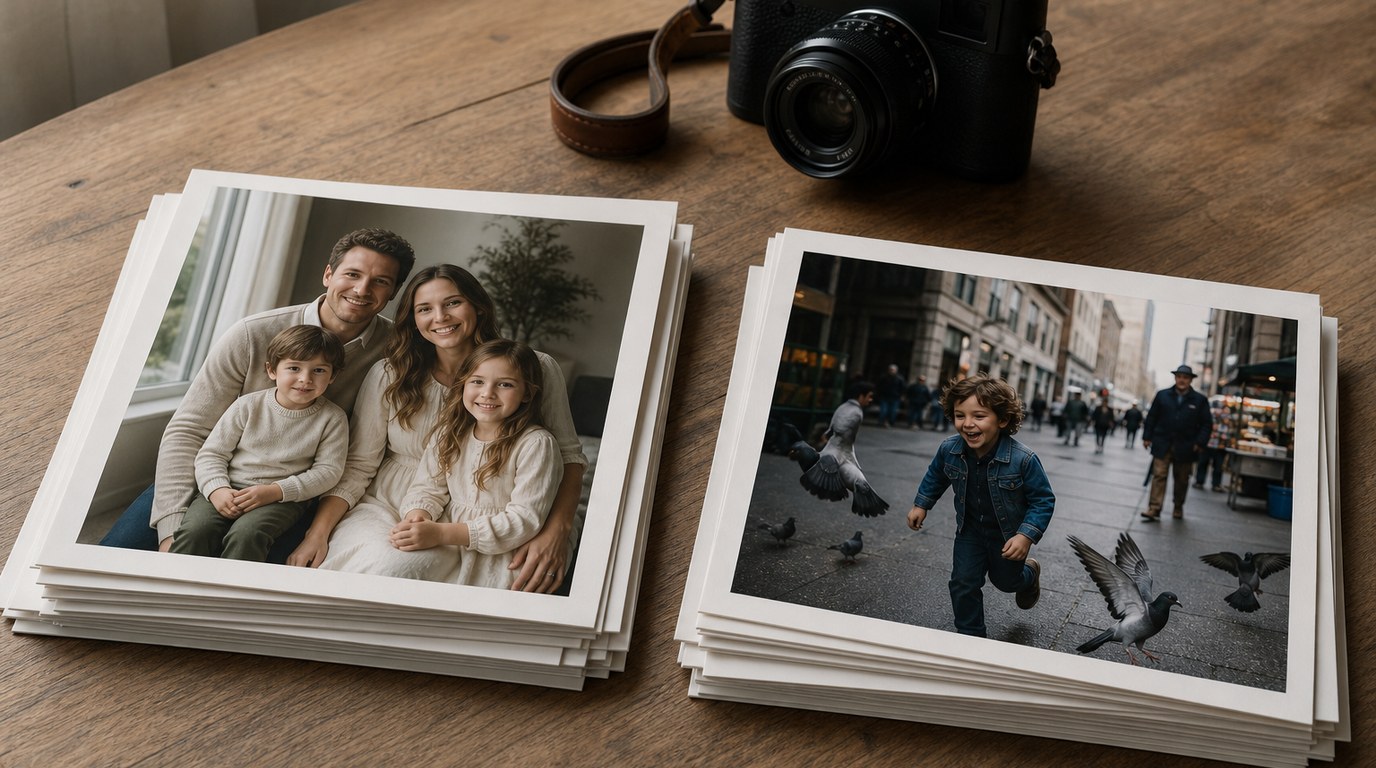
Choose lifestyle photography if you want images that feel natural but still flattering, organized, and visually consistent. It is a strong choice for families, personal branding, engagement sessions, and commercial work where the final images need to look polished.
Choose documentary photography if you care most about real moments, honest storytelling, and preserving events without interference. It is ideal for weddings, street work, journalism, events, and personal projects about everyday life.
If you are a beginner photographer, try both. Practice guiding a simple lifestyle session, then spend an hour photographing without directing anything. You will quickly feel the difference between creating a moment and waiting for one.
FAQ
What Should a Beginner Know First About Difference Lifestyle Documentary Photography?
A beginner should first understand the role of direction. Lifestyle photography is guided to look natural, while documentary photography is mostly unposed and observational. Once you understand that difference, choices about posing, lighting, composition, and client expectations become much easier to understand.
What Matters Most When Evaluating Difference Lifestyle Documentary Photography?
The most important factor is the purpose of the photos. If the goal is polished, natural-looking images, lifestyle may fit better. If the goal is truth, memory, or real-time storytelling, documentary is stronger. The best choice depends on what the images need to communicate.
What Mistakes Should Readers Avoid with Difference Lifestyle Documentary Photography?
Avoid thinking lifestyle means fake or documentary means careless. Good lifestyle photography can include real emotion, and good documentary photography still requires skillful composition and timing. Also avoid promising documentary coverage if you plan to heavily pose, stage, or repeat important moments.
What Is the Next Logical Step After Learning About Difference Lifestyle Documentary Photography?
The next step is to study examples and practice both approaches. Photograph one scene with gentle prompts, then photograph another without giving direction. Compare how the images feel. This exercise helps you understand control, timing, and the kind of storytelling you prefer.