
Quick Answer
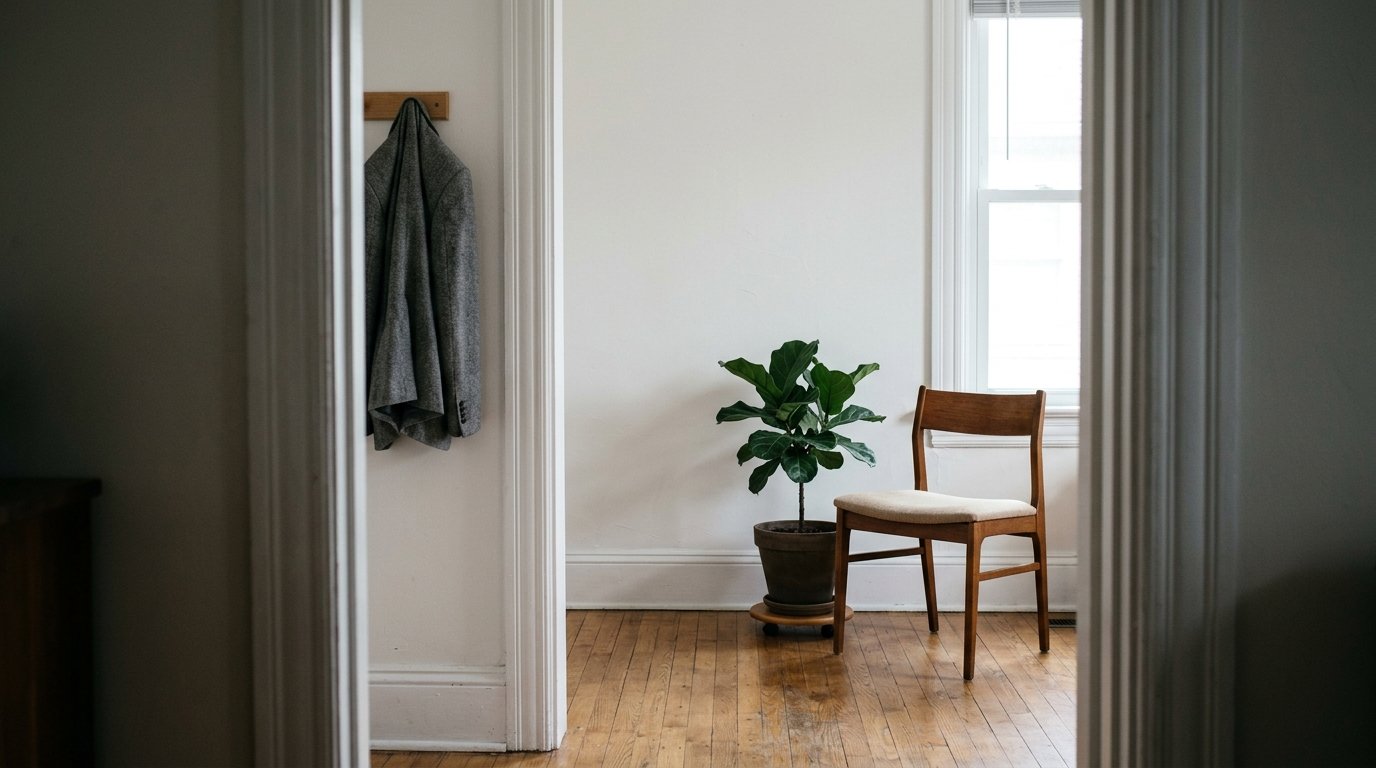
To frame your images well, use the edges of the photo and objects inside the scene to guide attention toward your subject. Framing is not just about putting something in the middle. It is about deciding what belongs inside the photo, what should be left out, and how every edge, shape, and visual path supports the main idea.
A strong frame helps the viewer understand where to look first. You can create that frame with natural objects, architecture, light, shadow, color, foreground elements, or even empty space. For example, a doorway can surround a person, tree branches can lead the eye toward a landscape, and a dark foreground can make a bright subject stand out.
The main takeaway is simple: before you press the shutter, check the entire image, not just the subject. Look at the four edges, the corners, the background, and the space around your subject. Ask yourself: “Does this frame make the subject clearer, or does it distract?”
Good framing makes a photo feel intentional. It can add depth, create balance, hide clutter, and give the viewer a sense of place. Bad framing often happens when beginners focus only on the subject and ignore everything around it.
If you are learning photography, start with this habit: move your feet before changing settings. Step left, right, closer, or lower. Small changes in position can turn a cluttered scene into a clean composition.
How to Think About This Topic
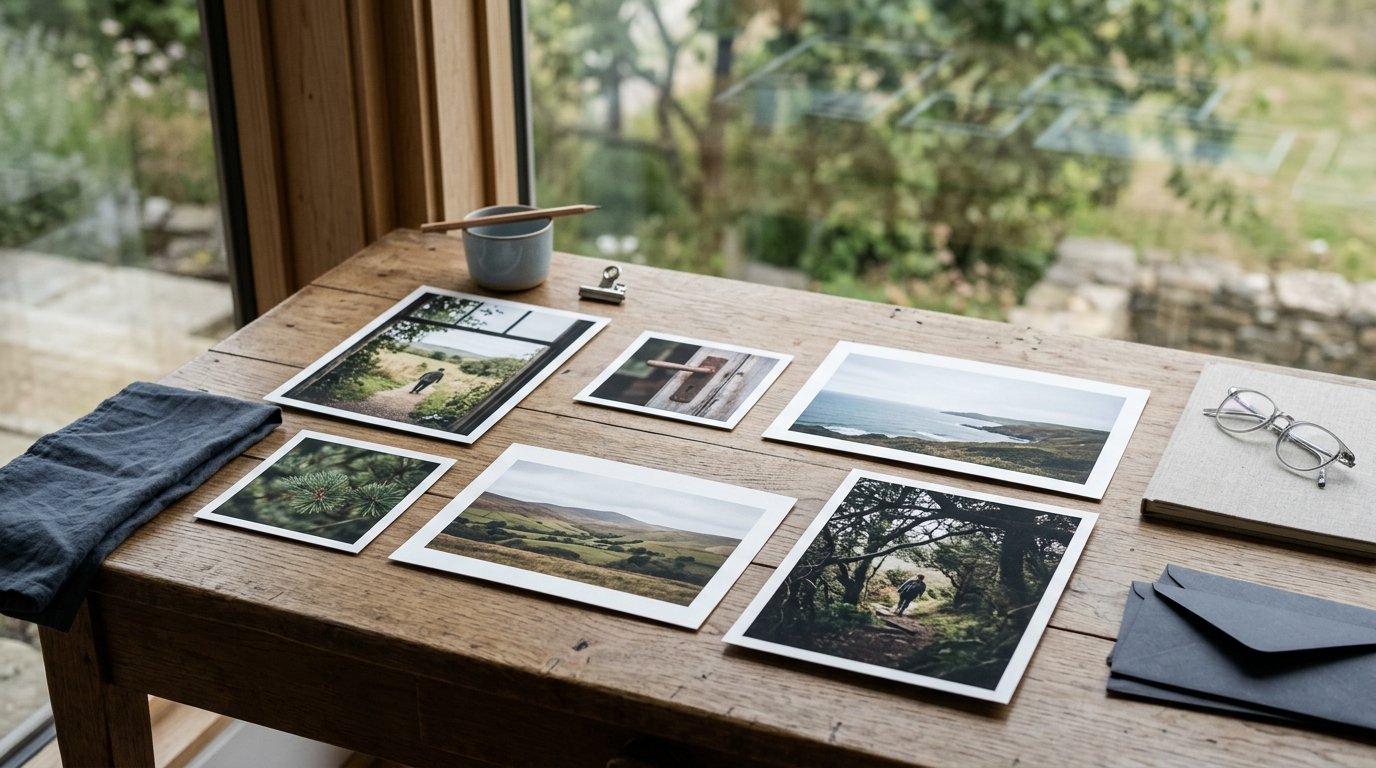
Framing in photography has two meanings that work together. First, there is the outer frame: the rectangular boundary of the photograph itself. Everything inside that rectangle is part of the image, whether you noticed it or not. Second, there is internal framing: using elements within the scene to surround, point to, or support the subject.
A useful mental model is to think of framing as “visual editing before the photo is taken.” Instead of relying on cropping later, you make decisions in the moment. You choose the subject, the angle, the distance, and the surrounding elements so the final image already feels organized.
When you frame your images, you are answering three questions:
- What is the subject?
The subject is the main thing the viewer should notice. It might be a person, a building, a flower, a mountain, or a moment of action.
- What supports the subject?
Supporting elements add context, depth, mood, or direction. A window frame around a person can suggest privacy. A road leading toward a mountain can add scale and direction.
- What distracts from the subject?
Distractions include bright spots near the edge, awkward objects behind someone’s head, cluttered backgrounds, tilted lines, or empty areas that do not add meaning.
This is why framing is closely tied to intention. Two photographers can stand in the same location and create very different images. One might include a wide view to show the environment. Another might move closer and use a doorway to isolate the subject. Neither choice is automatically better. The stronger frame is the one that makes the photo’s purpose clearer.
Beginners often think composition rules are strict formulas. Framing is more flexible. It is less about obeying rules and more about controlling attention. A centered subject can work if the surrounding frame is symmetrical. A subject near the edge can work if the empty space gives them room to look or move. A busy frame can work if the chaos is part of the story.
Focal length also changes how framing feels. A wide-angle lens includes more of the scene, which is useful for environmental portraits, interiors, and landscapes. But it also makes edge control more difficult because more distractions can enter the photo. A longer focal length narrows the view, compresses background elements, and can make it easier to isolate the subject.
Aperture matters too, but only as support. A wide aperture can blur the background and make a messy frame feel simpler. A smaller aperture keeps more detail sharp, which is useful when the frame itself matters, such as arches, windows, trees, or layered landscapes.
The goal is not to use framing tricks in every photo. The goal is to make the viewer’s eye move where you want it to go.
Practical Guidance
Start by choosing the subject clearly. If you cannot say what the photo is about in one sentence, the frame will probably feel uncertain. For example, “a cyclist passing through morning light” is easier to frame than “a street scene with lots of things happening.” Once the subject is clear, decide whether the surroundings should add context or be simplified.
Next, check the edges. This is one of the fastest ways to improve your composition. Before taking the photo, scan the left, right, top, and bottom edges of the frame. Look for half-cut objects, bright distractions, signs, poles, hands, feet, or branches entering awkwardly. Many weak photos are not ruined by the subject; they are weakened by the edges.
Use natural and built-in frames when they help. Doorways, windows, arches, mirrors, tunnels, fences, tree branches, curtains, and shadows can all frame your images. The key is not to force them. A frame should guide attention, not compete with the subject.
| Framing technique | When to use it | Watch for |
|---|---|---|
| Doorways and windows | Portraits, interiors, travel scenes | Overly dark edges or awkward cropping |
| Trees and branches | Landscapes, outdoor portraits | Branches crossing the subject’s face |
| Foreground objects | Depth, storytelling, layered scenes | Foreground becoming too distracting |
| Light and shadow | Mood, contrast, subject isolation | Bright areas pulling attention away |
| Negative space | Minimal scenes, movement, calm mood | Empty space that feels accidental |
Try foreground framing to add depth. Place something close to the camera, such as leaves, a railing, a wall, or a person’s shoulder, and shoot through or around it. This creates a sense of layers: foreground, subject, background. It works especially well for portraits, street photography, and travel images. Keep the foreground simple enough that it does not block the subject.
Pay attention to subject placement. Framing does not mean the subject must be centered. If a person is looking to the right, leaving space on the right side can make the photo feel more natural. If a car is moving left, space in front of it suggests motion. If a building is symmetrical, centering may be the strongest choice.
Use background control as part of framing. Move slightly until the background supports the subject. A clean wall behind a portrait can make the face stand out. A bright sign behind someone’s head can ruin the frame. Sometimes one step to the side is enough to separate the subject from clutter.
Think about visual weight. Bright areas, sharp details, strong colors, faces, text, and high-contrast edges attract attention. If one of these appears near the edge of the image, the viewer may look there instead of at your subject. Good framing manages these attention magnets.
For landscapes, use framing to create scale and depth. A rock in the foreground, a tree on one side, or a path leading into the distance can keep the image from feeling flat. For portraits, use framing to flatter and isolate the person. Avoid cutting through joints in awkward places, and watch for objects growing out of the head or shoulders. For street photography, framing can help organize busy scenes by using walls, reflections, signs, or shadows.
A simple field checklist can help:
- What is the main subject?
- Do the edges contain distractions?
- Is there a natural frame I can use?
- Does the background help or hurt?
- Is the subject too cramped or too loose?
- Would moving closer, lower, or sideways improve the frame?
- Does the frame guide the viewer’s eye?
Finally, take more than one version. Shoot a wide frame, then a tighter one. Try centered, off-center, vertical, and horizontal compositions. Beginners often stop after the first acceptable photo, but stronger framing usually appears after small adjustments.
FAQ
What Should a Beginner Know First About Frame Your Images?
A beginner should know that framing is about controlling what the viewer sees. Do not focus only on the subject. Check the edges, background, and space around it. A small change in position can remove distractions and make the composition much stronger.
What Matters Most When Evaluating Frame Your Images?
The most important question is whether the frame supports the subject. Look for clarity, clean edges, useful background elements, and good subject placement. If something pulls attention away without adding meaning, adjust your angle, distance, or timing.
What Mistakes Should Readers Avoid with Frame Your Images?
Avoid forcing frames that do not help the photo. Doorways, branches, and foreground objects can be useful, but they can also clutter the image. Also avoid cutting off important details awkwardly or ignoring bright distractions near the edge.
What Is the Next Logical Step After Learning About Frame Your Images?
Practice with one subject and make several versions. Change your distance, angle, height, and orientation while keeping the same subject. Compare the results and notice which frame feels clearest. This builds composition skill faster than only studying rules.