
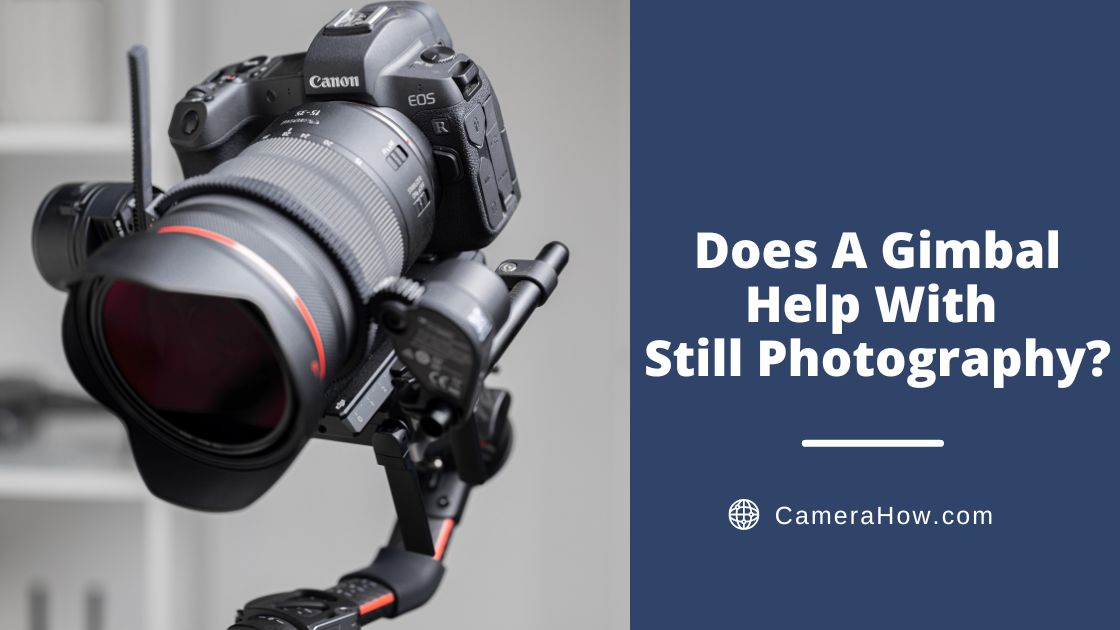
While most of us recognize and appreciate the advantages a gimbal provides while filming, does a gimbal help with still photography? Gimbals are amateur videographers’ “best friends” and accommodate various devices (cameras, cellphones, GoPros, etc.), but most of these are “motion-oriented” media. How well do they work for still photography?
Although gimbals don’t provide any advantage for most still photography, they may benefit certain situations. However, most photographers prefer tripods. Gimbals help stabilize video filming across various devices, and their technology allows the operator to follow moving objects smoothly.
Often photographers find themselves in awkward angles or needing to move quickly to focus on an object. Camera stabilizing tools are essential to prevent missing a “once in a lifetime” shot. But why do they work? Where would they work, and what are the pros and cons of using a gimbal for still photography?
The Ups And Downs Of Using A Gimbal In Still Photography
There are few things worse than a blurred image or video clip after trying to capture the moment. Technological advances (thankfully) allow many aspiring photographers and videographers to produce excellent media. One of these innovative advancements is the incorporation of a gimbal.
It is essential to note that although the handheld device for filming is called a gimbal, gimbals are not limited to the filming tool. A gimbal consists of concentric rings mounted on an axis that allows an object to maintain its vertical orientation no matter which way it’s turned.
Although historians debate the origins, the earliest records of gimbals roughly date to between 280 and 200 BC in Greece and China (although earlier evidence exists).
These gimbals were used for various activities, including:
- Door and window hinges
- Incense burners
- Siege weaponry (Roman naval warfare)
- An ink pot that doesn’t spill
- Navigation systems (compasses) in ships
Gimbals are fantastic for stabilizing any item that needs to remain “fixed” in an unstable environment.
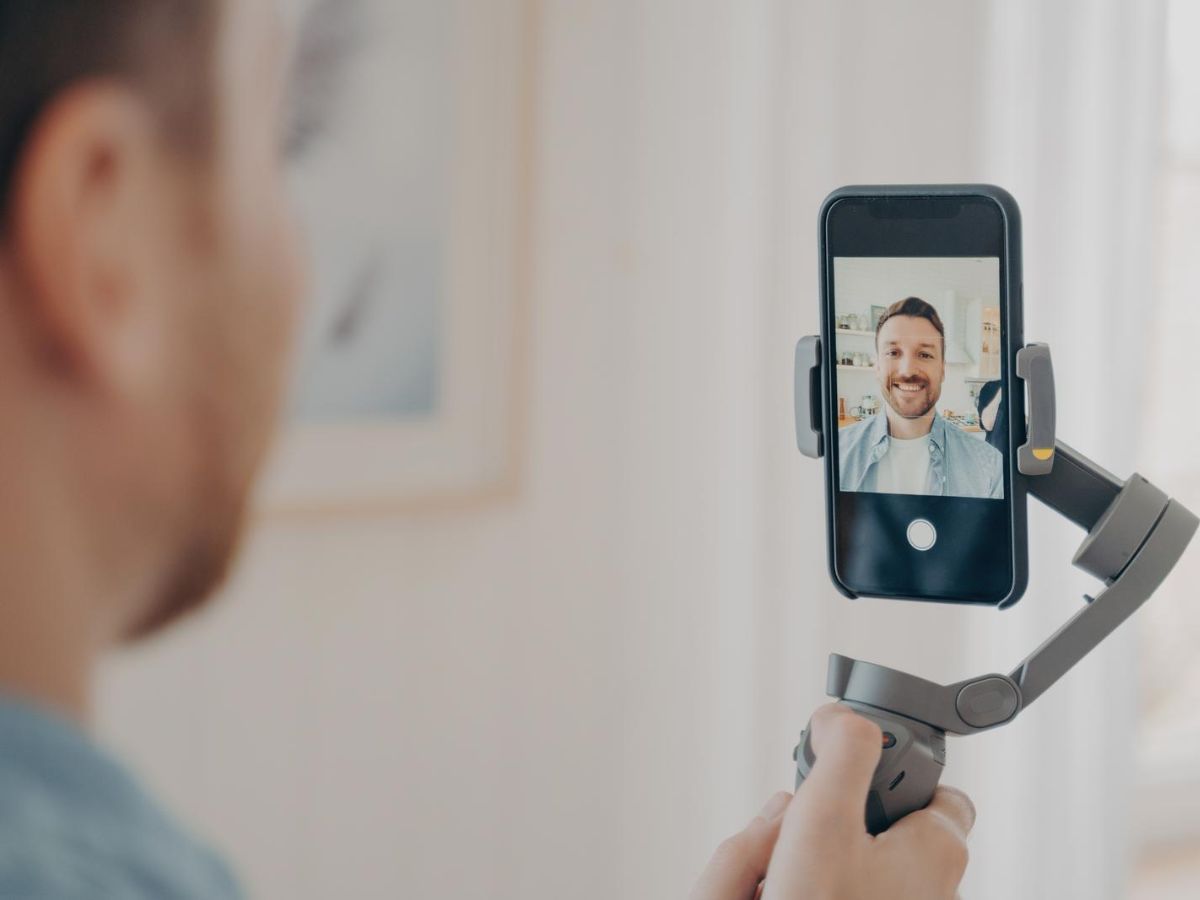
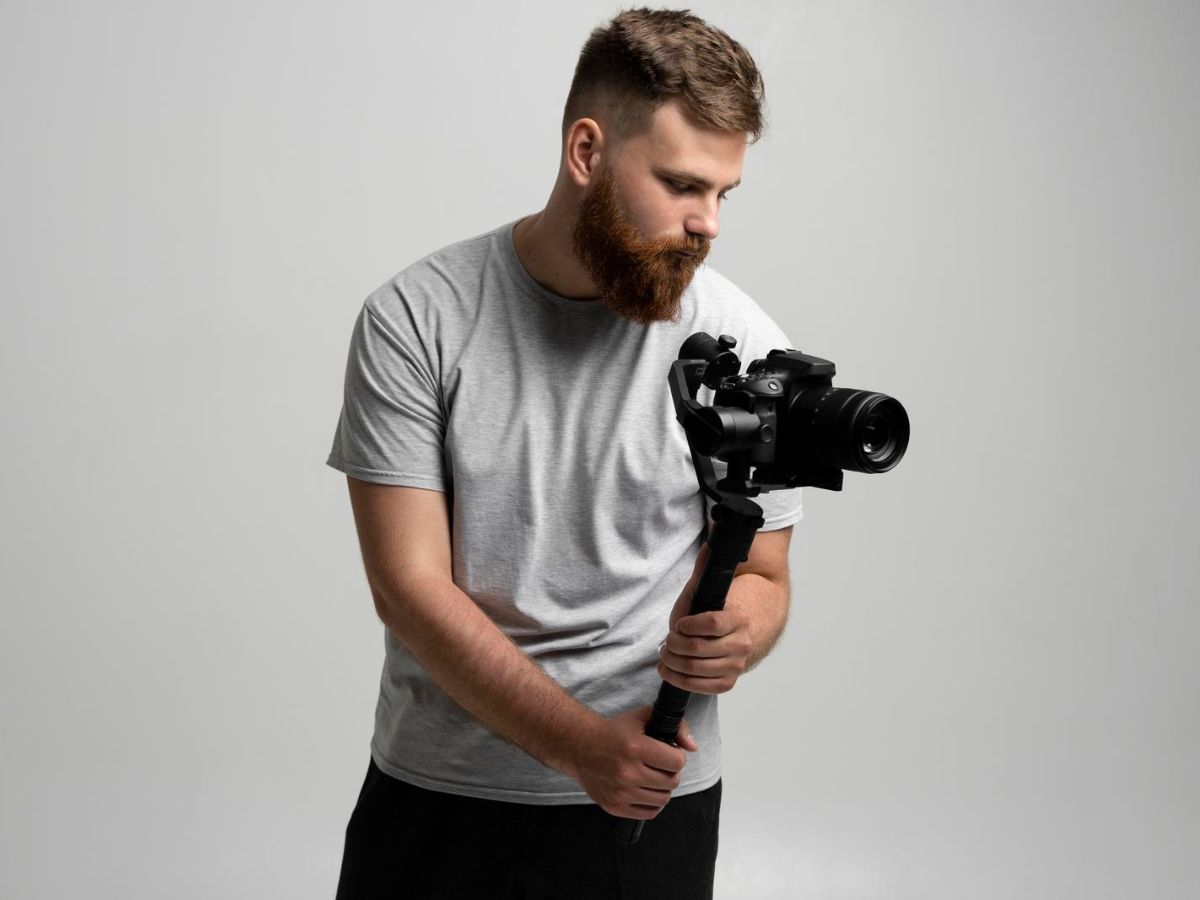
Gimbal usage is widespread in filming and photography. Most videography devices employ gimbals to stabilize the footage. There are also photography gimbals, and many are designed to work with a tripod. These gimbals are generally used for photographing moving subjects.
Are Gimbals The Most Practical Tool For Still Photography?
Although you could use a gimbal for still photography, the real question is, “should” you use a gimbal for still photography?”
Most still photographers prefer using a tripod or another handheld camera stabilizer. While gimbals are optimal for a video, they are overkill for stills.
During still photography, your subject generally doesn’t move, which means that the gimbal’s potential is “wasted,” as you can likely capture your subject’s image sufficiently by hand. For most still users, gimbals are not worth the money.
However, some “still situations” may benefit from a gimbal’s functionality.
When Do Gimbals Work For Still Photography?
Certain situations might warrant the use of a gimbal, including:
- Gimbals allow you to easily manipulate larger lenses (150 to 600mm/5.9 to 23.62in). Larger lenses tend to be awkwardly balanced (the lens-to-camera weight is not optimal), and balancing it on a tripod might not work well.
In these instances, a gimbal provides the necessary support, allowing the camera and lens to remain focused on the subject without accidentally toppling over/getting tired of holding it. - If you’re setting up multiple cameras for different angles (think of a modeling photo shoot), gimbals are an ideal way to synchronize and remotely position your cameras without needing to move to each camera repeatedly.
- If you’re taking photos in an area with significant movement, a gimbal will help stabilize the photos. For example, wedding photos on a ship with a degree of chop (waves rocking the boat up and down).
- Suppose you are a wildlife photographer and habitually find yourself in awkward positions where movement is limited (for the risk of scaring the subject). In that case, a gimbal may help you take suitable photos in these “funny” positions.
- If you’re taking stills but moving around a lot, a gimbal might help you quickly take a picture without taking too long to stabilize.
For example, if you’re hiking and taking photos, but your group is moving quickly, a gimbal will help you get a quick picture that doesn’t have motion blur while trying not to fall behind.
When Don’t Gimbals Work For Still Photography?
Although a gimbal may benefit you under extenuating circumstances, there is a high likelihood that a gimbal will not benefit you in the slightest during 90% of your still photography.
Should You Invest In A Gimbal For Still Photography?
If you plan to take straightforward still photos, only a gimbal is not worth the investment. However, if you branch into other fields of photography or want to try your hand at amateur filming, a gimbal is a worthwhile investment.
Your budget is another important consideration. Gimbals are not cheap, and many photographers opt for using a “ball head” instead. These devices attach to a tripod and allow you to stabilize your camera with locking screws, particularly if you don’t plan on moving around too much.
The Pros And Cons Of Using A Gimbal For Still Photography
When considering if a gimbal is a correct investment for your photography repertoire, it’s important to evaluate the pros and cons, particularly relating to its effectiveness for still photography
The Benefits Of A Gimbal For Still Photography
Although limited, some good things come from a gimbal for still photography.
Gimbals Are Fantastic Dynamic Stabilizers
If you frequently take photos while on a boat or in other unstable environments, a gimbal allows you to take stabilized/clear photos in these environments.
Gimbals Are Good For Stabilizing Large Lenses
Although you’d be better served using a ball-in tripod, if you have a gimbal, you can use it to stabilize a larger camera lens. I.e., these lenses are generally difficult to “balance” on a tripod, so you often need a stabilizer, for which a gimbal is a good option.
Gimbals Allow You To Grow In Your Photography Skill Set
If you’re new to photography and enjoy stills, you may develop the urge to take your “craft” further.
A gimbal gives you more options and opportunities to explore other photography fields, like wildlife photography, sports photography, and amateur filming.
The Drawbacks Of A Gimbal For Still Photography
Unfortunately, when used for still photography, there are more negatives to a gimbal than positives.
Gimbals Don’t Add Enough Benefits For Still Photography
Unfortunately, gimbals are a waste if you plan on sticking to stills. Although they have some functionality, other, more affordable options are designed for still photography.
Gimbals Are Expensive
Although there are various models and makes available, most gimbals are pricey, which makes them an unnecessary expense if you won’t get the full use out of them.
Gimbals Operate On A Battery
One of the most significant downfalls of a gimbal is that they operate on alkaline or lithium-ion batteries. Once the batteries die, your gimbal stops working. This limited use is less than ideal for still photography when (often) you have time on your side.
Alkaline batteries last a bit longer but must be replaced, while lithium-ion batteries are rechargeable but cost more and have less charge/battery life.
Conclusion
While using a gimbal for still photography is feasible, it is not advisable or necessary. Gimbals may provide a boon in some situations, but their effectiveness lies in keeping a steady shot while filming. Any positives they add, a decent still photography tripod provides at a better price.