
The best time to buy a digital camera is when three things line up: you need it soon, the price is reasonable for its age and features, and the camera will still serve you well after the first few months. For many beginners, the smartest windows are major sale periods, just after a newer model is announced, or when a reliable refurbished or used option appears.
But the “best” time is not always the cheapest time. If you have a trip, family event, class, or creative project coming up, buying sooner may be worth more than saving a little later. Ask these three questions before you click purchase.
A Simple Rule: Buy When Timing, Need, and Value Line up
Camera prices move in patterns, but your life does not always follow those patterns. That is why the best buying decision is not just “wait for Black Friday” or “buy the newest model.”
Use this simple mental model:
- Need: Will you use the camera soon?
- Timing: Is a predictable discount window close?
- Value: Is this camera still a good fit for your skill level and future goals?
If all three look good, buy with confidence. If one is weak, pause and compare. This keeps you from overpaying in a rush or waiting so long that you miss the photos you wanted to take.
Question 1: Do You Actually Need the Camera Now?
Start with the most practical question: what are you buying the camera for?
If you need it for a vacation next month, a wedding, a child’s sports season, a school course, or a business project, buying now may be the right move. You need time to learn the controls, test lenses, charge batteries, and fix small problems before the important day.
If you are only casually interested and do not have a clear use date, waiting can make sense. Prices may drop, bundles may improve, or you may discover that a different camera type fits you better.
A beginner should also count learning time as part of the purchase. A camera bought two days before a trip is harder to use well than one bought six weeks earlier.
Question 2: Is a Better Buying Window Coming Soon?
Digital camera deals often appear around predictable retail and product-cycle moments. You do not need to memorize every release schedule, but you should know when prices usually soften.
| Buying window | Why it can be good | Best for |
|---|---|---|
| Black Friday and Cyber Monday | Broad discounts and bundles | Beginners buying new kits |
| Holiday sales | Gift-focused camera and lens deals | Entry-level buyers |
| After a new model is announced | Older models often drop in price | Value shoppers |
| End of financial quarter or year | Retailers may clear inventory | Flexible buyers |
| Used/refurbished restocks | Lower prices without waiting for big sales | Budget-conscious buyers |
If a major sale is only two or three weeks away and you do not need the camera immediately, waiting is usually smart. If the sale is months away and you have a real use coming up, the savings may not be worth the delay.
Also compare the actual price history when possible. A “sale” is only useful if the final price is meaningfully lower than normal.
Question 3: Will This Camera Still Fit You in Two or Three Years?
Good timing cannot fix the wrong camera. Before buying, ask whether the model will still make sense as your skills improve.
For beginners, the best camera is usually not the most advanced one. It is the one you will carry, understand, and enjoy using. Still, avoid buying something so limited that you outgrow it quickly. Look for a camera system with lens options, decent autofocus, comfortable controls, and video features if you care about video.
Previous-generation models can be excellent buys. A camera that was released two or three years ago may still produce beautiful photos, especially if the discount lets you buy a better lens. Just be careful with models that are cheap because they lack features you already know you need, such as reliable subject tracking, an electronic viewfinder, or microphone input.
Should You Buy New, Used, or Refurbished?
The best time to buy changes depending on condition.
Buying new is easiest during major sales or when a previous model is discounted. You get a full warranty and less risk.
Buying refurbished can be smart when official manufacturer or reputable retailer stock appears. These deals are less predictable, so the best time is often “when the right unit is available.”
Buying used depends more on market supply than the calendar. Prices may drop after a popular upgrade cycle, when many owners sell older bodies. Check shutter count, sensor condition, battery health, return policy, and seller reputation before choosing the lowest price.
When Waiting Is Smart—and When It Costs You Photos
Waiting is smart when you have no urgent need, a major sale is close, or a new model announcement is likely to push older prices down. It is also smart if you are unsure whether you want a compact camera, mirrorless camera, DSLR, or just a better phone setup.
Waiting costs you when it delays real practice. Photography improves through use, not through perfect shopping. If you spend six months comparing cameras but miss your child’s season, a family trip, or your first chance to learn manual settings, the “deal” may not feel like a win.
A modest camera used often beats a perfect camera bought too late.
Quick Buying Checklist Before You Click Purchase
Before buying, run through this short checklist:
- Do I have a real use for this camera in the next one to three months?
- Is a major sale or product launch very close?
- Is this price actually lower than the normal street price?
- Will this camera fit my likely needs for two or three years?
- Am I leaving enough budget for a memory card, spare battery, bag, and possibly a better lens?
- Does the seller offer a clear return policy or warranty?
If most answers are yes, it is probably a good time to buy.
Bottom Line: the Best Time Depends on Your Use Case
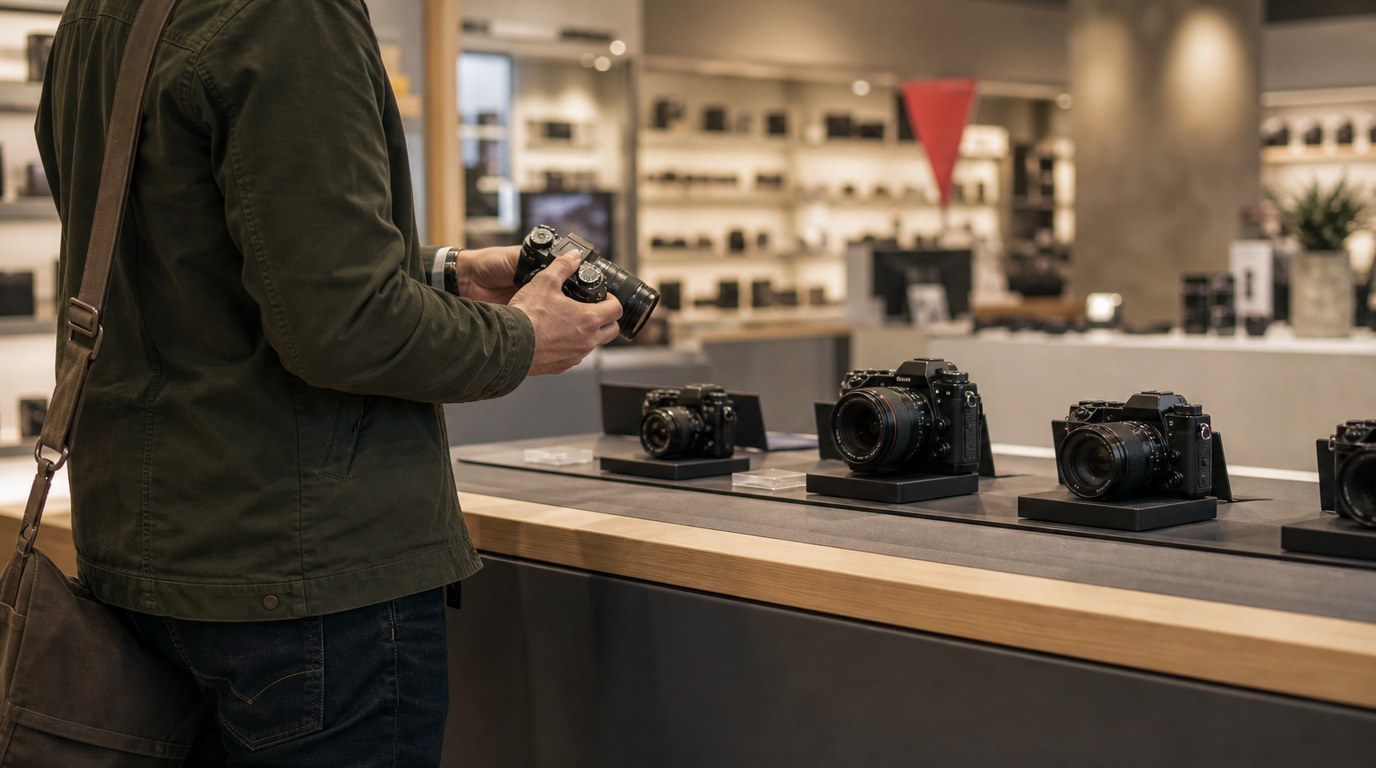
The best time to buy a digital camera is not the same for everyone. If you need a camera soon and the price is fair, buy it and start learning. If you are flexible, watch for major sales, refurbished stock, and discounts on previous-generation models.
Use the three questions as your guide: Do you need it now? Is a better buying window close? Will it still fit you later? When those answers line up, the timing is right.
FAQ
What Should a Beginner Know First About When Is the Best Time to Buy a Digital Camera 3 Questions to Ask?
A beginner should know that timing is only part of the decision. A good deal on the wrong camera is still a poor buy. Start with your actual use, then compare upcoming sale windows and long-term fit before choosing a model.
What Matters Most When Evaluating When Is the Best Time to Buy a Digital Camera 3 Questions to Ask?
The most important factor is whether the camera will help you take photos now and keep serving you as you improve. Price matters, but need, learning time, lens options, comfort, and warranty can matter more than a small discount.
What Mistakes Should Readers Avoid with When Is the Best Time to Buy a Digital Camera 3 Questions to Ask?
Avoid waiting forever for the perfect deal, buying only because something is discounted, or choosing a camera that lacks features you already need. Also avoid spending your full budget on the body while forgetting accessories, lenses, memory cards, and batteries.
What Is the Next Logical Step After Learning About When Is the Best Time to Buy a Digital Camera 3 Questions to Ask?
The next step is to list your main shooting needs, set a total budget, and compare two or three camera options. Check current prices, upcoming sales, and used or refurbished availability. Then choose the camera that best balances timing, value, and fit.